:::

📖 中英台羅馬注音聖經朗讀+難字注音(程式設計:黃哲輝牧師2025)

台羅詞塊排版: 羅馬字在右 羅馬字在下
經卷: 章: 經文關鍵字: 範圍: | 欄位:
⬅️ 已是第一章 目前:18約伯記 第 1 章 下一章 ➡️
18約伯記 1:1
🔎 難字注音 🔗 分享
烏斯地有一個人名叫約伯;那人完全正直,敬畏 上帝,遠離惡事。 In the land of Uz there lived a man whose name was Job. This man was blameless and upright; he feared God and shunned evil.
烏斯地有一個人名叫約伯;那人完全正直,敬畏 上帝,遠離惡事。
烏斯(Oo Su) 地(tē) 有(ū) 一個(Tsi̍t-ê) 人(lâng) 名(Miâ) 叫(kiò) 約伯(Iok-pik); 那人(hit-lâng) 完全(Uân-tsuân) 正(Tng-teh當咧) 直(Ti̍t), 敬畏(Kìng-uì) 上帝(siōng-tè), 遠(hn̄g) 離(Lī) 惡(ok) 事(sū)。
📖 檢視 (0) 👁️ 瀏覽數:7
18約伯記 1:2
🔎 難字注音 🔗 分享
他生了七個兒子,三個女兒。 He had seven sons and three daughters,
他生了七個兒子,三個女兒。
他(I) 生(seⁿ或siⁿ) 了(liáu) 七(Tshit) 個(Ê) 兒子(Hāu-senn後生), 三個(Sann ê) 女兒(lú-jî)。
📖 檢視 (0) 👁️ 瀏覽數:7
18約伯記 1:3
🔎 難字注音 🔗 分享
他的家產有七千羊,三千駱駝,五百對牛,五百母驢,並有許多僕婢。這人在東方人中就為至大。 and he owned seven thousand sheep, three thousand camels, five hundred yoke of oxen and five hundred donkeys, and had a large number of servants. He was the greatest man among all the people of the East.
他的家產有七千羊,三千駱駝,五百對牛,五百母驢,並有許多僕婢。這人在東方人中就為至大。
他(I) 的(ê) 家(Ke) 產(Sán) 有(ū) 七(Tshit) 千(Tshing) 羊(Iûnn), 三(Sann) 千(Tshing) 駱駝(Lo̍k-tô), 五(Gōo) 百(Pah) 對(Tuì) 牛(Gû), 五(Gōo) 百(Pah) 母(Bó) 驢(Lû), 並(pēng) 有(ū) 許多(Tsin-tsē真濟) 僕婢(Po̍k-pī)。 這(Tsit) 人(lâng) 在(tī) 東方(Tang-pîng) 人(lâng) 中(Tiong) 就(chiū) 為(ûi) 至(tsì) 大(tuā)。
📖 檢視 (0) 👁️ 瀏覽數:7
18約伯記 1:4
🔎 難字注音 🔗 分享
他的兒子按著日子各在自己家裏設擺筵宴,就打發人去,請了他們的三個姊妹來,與他們一同吃喝。 His sons used to take turns holding feasts in their homes, and they would invite their three sisters to eat and drink with them.
他的兒子按著日子各在自己家裏設擺筵宴,就打發人去,請了他們的三個姊妹來,與他們一同吃喝。
他(I) 的(ê) 兒子(Hāu-senn後生) 按(àn) 著(Tio̍h對) 日(Ji̍t) 子(chí) 各(Kok) 在(tī) 自己(Ka-kī) 家裏(Tshù lāi厝內) 設擺(Siat pái) 筵(Iân) 宴(Iàn), 就(chiū) 打發(táⁿ-hoat) 人(lâng) 去(Khì), 請(Tshiánn) 了(liáu) 他們(In) 的(ê) 三個(Sann ê) 姊妹(Tsí-bē) 來(li̍k), 與(Kap佮) 他們(In) 一(Tsi̍t) 同(tâng) 吃(Tsia̍h食) 喝(Lim啉)。
📖 檢視 (0) 👁️ 瀏覽數:7
18約伯記 1:5
🔎 難字注音 🔗 分享
筵宴的日子過了,約伯打發人去叫他們自潔。他清早起來,按著他們眾人的數目獻燔祭;因為他說:「恐怕我兒子犯了罪,心中棄掉 上帝。」約伯常常這樣行。 When a period of feasting had run its course, Job would send and have them purified. Early in the morning he would sacrifice a burnt offering for each of them, thinking, Perhaps my children have sinned and cursed God in their hearts. This was Job's regular custom.
筵宴的日子過了,約伯打發人去叫他們自潔。他清早起來,按著他們眾人的數目獻燔祭;因為他說:「恐怕我兒子犯了罪,心中棄掉 上帝。」約伯常常這樣行。
筵(Iân) 宴(Iàn) 的(ê) 日(Ji̍t) 子(chí) 過(Kuè) 了(liáu), 約伯(Iok-pik) 打發(táⁿ-hoat) 人(lâng) 去(Khì) 叫(kiò) 他們(In) 自(Tsū) 潔(Kiat)。 他(I) 清早(thàu-tsá透早) 起來(Khí-lâi), 按(àn) 著(Tio̍h對) 他們(In) 眾(Tsìng) 人(lâng) 的(ê) 數(Siàu) 目(Ba̍k) 獻(Hiàn) 燔(Huân) 祭(Tsè); 因為(In-uī) 他(I) 說(kóng):「恐怕(khióng-kiaⁿ恐驚) 我(Guá) 兒子(Hāu-senn後生) 犯(Huān) 了(liáu) 罪(Tsuē), 心(Sim) 中(Tiong) 棄(Khì) 掉(Lak) 上帝(siōng-tè)。」 約伯(Iok-pik) 常(siông) 常(siông) 這樣(án-ne) 行(Kiânn)。
📖 檢視 (0) 👁️ 瀏覽數:7
18約伯記 1:6
🔎 難字注音 🔗 分享
有一天, 上帝的眾子來侍立在耶和華面前,撒但也來在其中。 One day the angels 1:6 Hebrew ((the sons of God)) came to present themselves before the LORD, and Satan 1:6 ((Satan)) means ((accuser.)) also came with them.
有一天, 上帝的眾子來侍立在耶和華面前,撒但也來在其中。
有(ū) 一(Tsi̍t) 天(kang), 上帝(siōng-tè) 的(ê) 眾(Tsìng) 子(chí) 來(li̍k) 侍(sū) 立(Li̍p) 在(tī) 耶和華(Iâ-hô-hoa) 面(bīn) 前(Tsîng), 撒但(Sat-tàn) 也(iā) 來(li̍k) 在(tī) 其(Kî) 中(Tiong)。
📖 檢視 (0) 👁️ 瀏覽數:6
18約伯記 1:7
🔎 難字注音 🔗 分享
耶和華問撒但說:「你從哪裏來?」撒但回答說:「我從地上走來走去,往返而來。」 The LORD said to Satan, Where have you come from? Satan answered the LORD, From roaming through the earth and going back and forth in it.
耶和華問撒但說:「你從哪裏來?」撒但回答說:「我從地上走來走去,往返而來。」
耶和華(Iâ-hô-hoa) 問(Mn̄g) 撒但(Sat-tàn) 說(kóng):「你(Lí) 從(tùi) 哪(a̍h) 裏(lí) 來(li̍k)?」 撒但(Sat-tàn) 回(Huê/tńg) 答(Tah) 說(kóng):「我(Guá) 從(tùi) 地上(tōe-chiūⁿ) 走(Kiânn行) 來(li̍k) 走(Kiânn行) 去(Khì), 往(óng) 返(Tńg轉) 而(jî) 來(li̍k)。」
📖 檢視 (0) 👁️ 瀏覽數:8
18約伯記 1:8
🔎 難字注音 🔗 分享
耶和華問撒但說:「你曾用心察看我的僕人約伯沒有?地上再沒有人像他完全正直,敬畏 上帝,遠離惡事。」 Then the LORD said to Satan, Have you considered my servant Job? There is no one on earth like him; he is blameless and upright, a man who fears God and shuns evil.
耶和華問撒但說:「你曾用心察看我的僕人約伯沒有?地上再沒有人像他完全正直,敬畏 上帝,遠離惡事。」
耶和華(Iâ-hô-hoa) 問(Mn̄g) 撒但(Sat-tàn) 說(kóng):「你(Lí) 曾(bat懂知道) 用(Īng) 心(Sim) 察(Tshat) 看(khòaⁿ) 我(Guá) 的(ê) 僕(Po̍k) 人(lâng) 約伯(Iok-pik) 沒(Bô無) 有(ū)? 地上(tōe-chiūⁿ) 再(Koh閣) 沒(Bô無) 有(ū) 人(lâng) 像(tshiūnn) 他(I) 完全(Uân-tsuân) 正(Tng-teh當咧) 直(Ti̍t), 敬畏(Kìng-uì) 上帝(siōng-tè), 遠(hn̄g) 離(Lī) 惡(ok) 事(sū)。」
📖 檢視 (0) 👁️ 瀏覽數:7
18約伯記 1:9
🔎 難字注音 🔗 分享
撒但回答耶和華說:「約伯敬畏 上帝,豈是無故呢? Does Job fear God for nothing? Satan replied.
撒但回答耶和華說:「約伯敬畏 上帝,豈是無故呢?
撒但(Sat-tàn) 回(Huê/tńg) 答(Tah) 耶和華(Iâ-hô-hoa) 說(kóng):「約伯(Iok-pik) 敬畏(Kìng-uì) 上帝(siōng-tè), 豈是(kám-sī) 無(bô不) 故(Kòo) 呢(ne)?
📖 檢視 (0) 👁️ 瀏覽數:7
18約伯記 1:10
🔎 難字注音 🔗 分享
他的妻子對他說:「你仍然持守你的純正嗎?你棄掉 上帝,死了吧!」 Have you not put a hedge around him and his household and everything he has? You have blessed the work of his hands, so that his flocks and herds are spread throughout the land.
他的妻子對他說:「你仍然持守你的純正嗎?你棄掉 上帝,死了吧!」
他(I) 的(ê) 妻子(khan-tshiú牽手) 對(Tuì) 他(I) 說(kóng):「你(Lí) 仍(Iáu猶) 然(Jiân) 持守(tshî-tsiú) 你(Lí) 的(ê) 純正(Sûn-tsìng) 嗎(mah)? 你(Lí) 棄(Khì) 掉(Lak) 上帝(siōng-tè), 死了吧(Sí-liáu-pa)!」
📖 檢視 (2) 👁️ 瀏覽數:8
18約伯記 1:11
🔎 難字注音 🔗 分享
你豈不是四面圈上籬笆圍護他和他的家,並他一切所有的嗎?他手所做的都蒙你賜福;他的家產也在地上增多。 But stretch out your hand and strike everything he has, and he will surely curse you to your face.
你豈不是四面圈上籬笆圍護他和他的家,並他一切所有的嗎?他手所做的都蒙你賜福;他的家產也在地上增多。
你(Lí) 豈不(ká-bē) 是(sī) 四面(Sì-bīn) 圈(Khuan) 上(siōng/tíng) 籬笆(Lî-pa) 圍(Uî) 護(Hōo) 他(I) 和(Kap) 他(I) 的(ê) 家(Ke), 並(pēng) 他(I) 一切(It-tshè) 所(sóo) 有(ū) 的(ê) 嗎(mah)? 他(I) 手(Tshiú) 所(sóo) 做(Tsò) 的(ê) 都(Lóng) 蒙(bông) 你(Lí) 賜福(sù-hok); 他(I) 的(ê) 家(Ke) 產(Sán) 也(iā) 在(tī) 地上(tōe-chiūⁿ) 增(Tsing) 多(chōe)。
📖 檢視 (3) 👁️ 瀏覽數:8
18約伯記 1:12
🔎 難字注音 🔗 分享
你且伸手毀他一切所有的;他必當面棄掉你。」 The LORD said to Satan, Very well, then, everything he has is in your hands, but on the man himself do not lay a finger. Then Satan went out from the presence of the LORD.
你且伸手毀他一切所有的;他必當面棄掉你。」
你(Lí) 且(tshiánn) 伸手(chhun-chhiú) 毀(Huí) 他(I) 一切(It-tshè) 所(sóo) 有(ū) 的(ê); 他(I) 必(pit) 當(Tng) 面(bīn) 棄(Khì) 掉(Lak) 你(Lí)。」
📖 檢視 (0) 👁️ 瀏覽數:7
18約伯記 1:13
🔎 難字注音 🔗 分享
耶和華對撒但說:「凡他所有的都在你手中;只是不可伸手加害於他。」於是撒但從耶和華面前退去。 One day when Job's sons and daughters were feasting and drinking wine at the oldest brother's house,
耶和華對撒但說:「凡他所有的都在你手中;只是不可伸手加害於他。」於是撒但從耶和華面前退去。
耶和華(Iâ-hô-hoa) 對(Tuì) 撒但(Sat-tàn) 說(kóng):「凡(Huân) 他(I) 所(sóo) 有(ū) 的(ê) 都(Lóng) 在(tī) 你(Lí) 手(Tshiú) 中(Tiong); 只是(chí-sī) 不可(m̄-thang) 伸手(chhun-chhiú) 加(Ke) 害(Hāi) 於(Tī佇) 他(I)。」 於是(chū-án-ne自按呢) 撒但(Sat-tàn) 從(tùi) 耶和華(Iâ-hô-hoa) 面(bīn) 前(Tsîng) 退(Thè) 去(Khì)。
📖 檢視 (0) 👁️ 瀏覽數:7
18約伯記 1:14
🔎 難字注音 🔗 分享
有一天,約伯的兒女正在他們長兄的家裏吃飯喝酒, a messenger came to Job and said, The oxen were plowing and the donkeys were grazing nearby,
有一天,約伯的兒女正在他們長兄的家裏吃飯喝酒,
有(ū) 一(Tsi̍t) 天(kang), 約伯(Iok-pik) 的(ê) 兒女(kiáⁿ-jî) 正(Tng-teh當咧) 在(tī) 他們(In) 長兄(tuā-hiann大兄) 的(ê) 家裏(Tshù lāi厝內) 吃(Tsia̍h食) 飯(Pn̄g) 喝(Lim啉) 酒(Tsiú),
📖 檢視 (0) 👁️ 瀏覽數:7
18約伯記 1:15
🔎 難字注音 🔗 分享
有報信的來見約伯,說:「牛正耕地,驢在旁邊吃草, and the Sabeans attacked and carried them off. They put the servants to the sword, and I am the only one who has escaped to tell you!
有報信的來見約伯,說:「牛正耕地,驢在旁邊吃草,
有(ū) 報(Pò) 信(Sìn) 的(ê) 來(li̍k) 見(Kìnn) 約伯(Iok-pik), 說(kóng):「牛(Gû) 正(Tng-teh當咧) 耕(King) 地(tē), 驢(Lû) 在(tī) 旁邊(Pinn--á邊仔) 吃(Tsia̍h食) 草(Tsháu),
📖 檢視 (0) 👁️ 瀏覽數:8
18約伯記 1:16
🔎 難字注音 🔗 分享
示巴人忽然闖來,把牲畜擄去,並用刀殺了僕人;惟有我一人逃脫,來報信給你。」 While he was still speaking, another messenger came and said, The fire of God fell from the sky and burned up the sheep and the servants, and I am the only one who has escaped to tell you!
示巴人忽然闖來,把牲畜擄去,並用刀殺了僕人;惟有我一人逃脫,來報信給你。」
示巴(Sī-pa) 人(lâng) 忽然(hut-jiân) 闖(Tshuàng衝) 來(li̍k), 把(Kā) 牲畜(cheng-siⁿ) 擄(Lia̍h抓) 去(Khì), 並(pēng) 用(Īng) 刀(To) 殺(Thâi刣) 了(liáu) 僕(Po̍k) 人(lâng); 惟(uî) 有(ū) 我(Guá) 一(Tsi̍t) 人(lâng) 逃(Tô) 脫(Thǹg褪), 來(li̍k) 報(Pò) 信(Sìn) 給(hō͘) 你(Lí)。」
📖 檢視 (0) 👁️ 瀏覽數:17
18約伯記 1:17
🔎 難字注音 🔗 分享
他還說話的時候,又有人來說:「 上帝從天上降下火來,將群羊和僕人都燒滅了;惟有我一人逃脫,來報信給你。」 While he was still speaking, another messenger came and said, The Chaldeans formed three raiding parties and swept down on your camels and carried them off. They put the servants to the sword, and I am the only one who has escaped to tell you!
他還說話的時候,又有人來說:「上帝從天上降下火來,將群羊和僕人都燒滅了;惟有我一人逃脫,來報信給你。」
他(I) 還(Koh閣) 說(kóng) 話(Uē) 的(ê) 時候(Sî-tsūn時陣), 又(Koh) 有(ū) 人(lâng) 來(li̍k) 說(kóng):「上帝(siōng-tè) 從(tùi) 天上(Thinn-tíng) 降下(Kàng-hā) 火(Hué) 來(li̍k), 將(chiong) 群(Kûn) 羊(Iûnn) 和(Kap) 僕(Po̍k) 人(lâng) 都(Lóng) 燒(Sio) 滅(Bia̍t) 了(liáu); 惟(uî) 有(ū) 我(Guá) 一(Tsi̍t) 人(lâng) 逃(Tô) 脫(Thǹg褪), 來(li̍k) 報(Pò) 信(Sìn) 給(hō͘) 你(Lí)。」
📖 檢視 (0) 👁️ 瀏覽數:7
18約伯記 1:18
🔎 難字注音 🔗 分享
他還說話的時候,又有人來說:「迦勒底人分作三隊忽然闖來,把駱駝擄去,並用刀殺了僕人;惟有我一人逃脫,來報信給你。」 While he was still speaking, yet another messenger came and said, Your sons and daughters were feasting and drinking wine at the oldest brother's house,
他還說話的時候,又有人來說:「迦勒底人分作三隊忽然闖來,把駱駝擄去,並用刀殺了僕人;惟有我一人逃脫,來報信給你。」
他(I) 還(Koh閣) 說(kóng) 話(Uē) 的(ê) 時候(Sî-tsūn時陣), 又(Koh) 有(ū) 人(lâng) 來(li̍k) 說(kóng):「迦勒底(Ka-li̍k-tí) 人(lâng) 分(Pun) 作(Tsoh) 三(Sann) 隊(Tuī) 忽然(hut-jiân) 闖(Tshuàng衝) 來(li̍k), 把(Kā) 駱駝(Lo̍k-tô) 擄(Lia̍h抓) 去(Khì), 並(pēng) 用(Īng) 刀(To) 殺(Thâi刣) 了(liáu) 僕(Po̍k) 人(lâng); 惟(uî) 有(ū) 我(Guá) 一(Tsi̍t) 人(lâng) 逃(Tô) 脫(Thǹg褪), 來(li̍k) 報(Pò) 信(Sìn) 給(hō͘) 你(Lí)。」
📖 檢視 (0) 👁️ 瀏覽數:9
18約伯記 1:19
🔎 難字注音 🔗 分享
他還說話的時候,又有人來說:「你的兒女正在他們長兄的家裏吃飯喝酒, when suddenly a mighty wind swept in from the desert and struck the four corners of the house. It collapsed on them and they are dead, and I am the only one who has escaped to tell you!
他還說話的時候,又有人來說:「你的兒女正在他們長兄的家裏吃飯喝酒,
他(I) 還(Koh閣) 說(kóng) 話(Uē) 的(ê) 時候(Sî-tsūn時陣), 又(Koh) 有(ū) 人(lâng) 來(li̍k) 說(kóng):「你(Lí) 的(ê) 兒女(kiáⁿ-jî) 正(Tng-teh當咧) 在(tī) 他們(In) 長兄(tuā-hiann大兄) 的(ê) 家裏(Tshù lāi厝內) 吃(Tsia̍h食) 飯(Pn̄g) 喝(Lim啉) 酒(Tsiú),
📖 檢視 (0) 👁️ 瀏覽數:8
18約伯記 1:20
🔎 難字注音 🔗 分享
不料,有狂風從曠野颳來,擊打房屋的四角,房屋倒塌在少年人身上,他們就都死了;惟有我一人逃脫,來報信給你。」 At this, Job got up and tore his robe and shaved his head. Then he fell to the ground in worship
不料,有狂風從曠野颳來,擊打房屋的四角,房屋倒塌在少年人身上,他們就都死了;惟有我一人逃脫,來報信給你。」
不(bô) 料(Liāu), 有(ū) 狂風(Kông-hong) 從(tùi) 曠野(Khòng-iá) 颳來(Khau-lâi剾來), 擊(Kik) 打(Phah) 房屋(pâng-ok) 的(ê) 四(Sì) 角(Kak), 房屋(pâng-ok) 倒塌(Tò-thap) 在(tī) 少年人(siàu-liân-lâng) 身上(sin-khu-tíng身軀頂), 他們(In) 就(chiū) 都(Lóng) 死了(Sí--khì--ah); 惟(uî) 有(ū) 我(Guá) 一(Tsi̍t) 人(lâng) 逃(Tô) 脫(Thǹg褪), 來(li̍k) 報(Pò) 信(Sìn) 給(hō͘) 你(Lí)。」
📖 檢視 (1) 👁️ 瀏覽數:8
18約伯記 1:21
🔎 難字注音 🔗 分享
約伯便起來,撕裂外袍,剃了頭,伏在地上下拜, and said: Naked I came from my mother's womb, and naked I will depart. 1:21 Or ((will return there)) The LORD gave and the LORD has taken away; may the name of the LORD be praised.
約伯便起來,撕裂外袍,剃了頭,伏在地上下拜,
約伯(Iok-pik) 便(Pân) 起來(Khí-lâi), 撕(lì剺) 裂(le̍h) 外(Guā) 袍(Phâu), 剃(Thì) 了(liáu) 頭(Thâu), 伏(phak仆) 在(tī) 地上(tōe-chiūⁿ) 下拜(hā-pài),
📖 檢視 (0) 👁️ 瀏覽數:6
18約伯記 1:22
🔎 難字注音 🔗 分享
說:「我赤身出於母胎,也必赤身歸回;賞賜的是耶和華,收取的也是耶和華。耶和華的名是應當稱頌的。」 In all this, Job did not sin by charging God with wrongdoing.
說:「我赤身出於母胎,也必赤身歸回;賞賜的是耶和華,收取的也是耶和華。耶和華的名是應當稱頌的。」
說(kóng):「我(Guá) 赤(Tshiah) 身(Sin) 出(tshut) 於(Tī佇) 母(Bó) 胎(The), 也(iā) 必(pit) 赤(Tshiah) 身(Sin) 歸(Kui) 回(Huê/tńg); 賞(Siúnn) 賜(Sù) 的(ê) 是(sī) 耶和華(Iâ-hô-hoa), 收(Siu) 取(The̍h提) 的(ê) 也(iā) 是(sī) 耶和華(Iâ-hô-hoa)。 耶和華(Iâ-hô-hoa) 的(ê) 名(Miâ) 是(sī) 應(Ìn) 當(Tng) 稱(chheng) 頌(Siōng) 的(ê)。」
📖 檢視 (0) 👁️ 瀏覽數:8

荒漠甘泉五合一

你進站:2025年12月24日
時間是:10時06分16秒
■ 中文荒漠甘泉(12月24日)
十二月廿四日 「天將晚,以撒出來在田間默想。」創世記廿四章63節 我們若有更多單獨的時間,就必有更多屬靈的長進;我們若少嘗試,多退修,就必有更大工作的果效。我們常以為不作事是懶惰是羞恥,所以我們頂喜歡跑來跑去瞎忙。其實,默想的時間,與神談話的時間,舉目望天的時間,是對我們最有益的時間。這種時間從不會「太多」的。 或說:默想是心靈的休息,讓我們常常給心靈以休息的機會,那時任何有形的工作都暫時停止,只是靜靜地躺下,仰望著星宿,好像基甸的羊群那樣,在神面前展開身體,接受天降的甘霖,我們亦要有間歇的時間,不工作,不計算,躺在大自然的懷抱裏,好好地安息。 這種時間絕對不是虛耗。漁夫坐下補網,你能不能說他虛耗時間呢?割草者坐下磨刀,你能不能說他虛耗時間呢?我們應該常學以撒的樣子,從熱悶的生活中出來,到田間去默想。我們所過的是熱鬧的生活、喧噪的生活、忙碌的生活,能常與大自然接觸的話,確是一件非常痛快的事情。田間散步,海邊閒遊,能使我們心中充滿新的喜樂和盼望。 「昨天我失去了那些使我苦惱的憂慮和不安,……其時,我和神同在田野之間」。 聖誕前夕之歌,「靜聽雪地鐘聲」 啊, 聖誕, 快樂聖誕,  果然再度來臨, 帶著它的紀念和祝福,  帶著它的苦痛和歡欣。 歌聲中有低沈的音節,  亮光裏也有一些暗冥, 今夜, 有表示神聖的花園,  交織著一枝枝松柏青青。 祗是笑聲那末低微,  打不破寂然的沈靜, 我們在星光下聽聆,  雪地裏傳來的鐘聲。 啊, 聖誕, 快樂聖誕,  離開現在並不太久, 其時還有別的聲音,  於頌讚中交響而奏。 祗要能聽到他們的歌唱,  正像此刻的音節鏗鏘, 祗要能看到他們的額上,  閃耀著冠冕的光芒, 就不會有窒息的哀歎,  也不會有眼淚的暗灑, 我們在星光下聽聆,  雪地裏傳來的鐘聲。 啊, 聖誕, 快樂聖誕,  佳節不常, 良辰不再。 已經過去的歡愉日子,  我們無法喚它重複回來, 但一年一度的快樂聖誕,  預告著甜美的福音, 隨著光榮的聖歌,  依舊帶來了天上的歡欣, 堅貞的愛會洋溢人間,  和平與希望會放出光明, 我們在星光下聽聆,  雪地裏傳來的鐘聲。           ─海弗格爾
■ 英文荒漠甘泉(12月24日)
December 24 "And Isaac went out to meditate in the fields at eventide." (Gen. 24:63)  WE should be better Christians if we were more alone; we should do more if we attempted less, and spent more time in retirement, and quiet waiting upon God. The world is too much with us; we are afflicted with the idea that we are doing nothing unless we are fussily running to and fro; we do not believe in "the calm retreat, the silent shade." As a people, we are of a very practical turn of mind; "we believe," as someone has said, "in having all our irons in the fire, and consider the time not spent between the anvil and the fire as lost, or much the same as lost." Yet no time is more profitably spent than that which is set apart for quiet musing, for talking with God, for looking up to Heaven. We cannot have too many of these open spaces in life, hours in which the soul is left accessible to any sweet thought or influence it may please God to send.  "Reverie," it has been said, "is the Sunday of the mind." Let us often in these days give our mind a "Sunday," in which it will do no manner of work but simply lie still, and look upward, and spread itself out before the Lord like Gideon's fleece, to be soaked and moistened with the dews of Heaven. Let there be intervals when we shall do nothing, think nothing, plan nothing, but just lay ourselves on the green lap of nature and "rest a while."  Time so spent is not lost time. The fisherman cannot be said to be losing time when he is mending his nets, nor the mower when he takes a few minutes to sharpen his scythe at the top of the ridge. City men cannot do better than follow the example of Isaac, and, as often as they can, get away from the fret and fever of life into fields. Wearied with the heat and din, the noise and bustle, communion with nature is very grateful; it will have a calming, healing influence. A walk through the fields, a saunter by the seashore or across the daisy-sprinkled meadows, will purge your life from sordidness, and make the heart beat with new joy and hope. "The little cares that fretted me, I lost them yesterday, Out in the fields with God." Christmas Eve BELLS ACROSS THE SNOW O Christmas, merry Christmas, Is it really come again, With its memories and greetings, With its joy and with its pain! There's a minor in the carol, And a shadow in the light, And a spray of cypress twining, With the holly wreath tonight. And the hush is never broken, By laughter light and low, As we listen in the starlight, To the "bells across the snow." O Christmas, merry Christmas, 'Tis not so very long Since other voices blended, With the carol and the song! If we could but hear them singing, As they are singing now, If we could but see the radiance, Of the crown on each dear brow, There would be no sigh to smother, No hidden tear to flow, As we listen in the starlight, To the "bells across the snow." O Christmas, merry Christmas, This never more can be; We cannot bring again the days, Of our unshadowed glee, But Christmas, happy Christmas, Sweet herald of good will, With holy songs of glory, Brings holy gladness still. For peace and hope may brighten, And patient love may glow, As we listen in the starlight, To the "bells across the snow."           - Frances Ridley Havergal.
■ 永活之泉(12月24日)
十二月廿四日 像基督 「我給你們作了榜樣,叫你們照著我向你們所作的去作。」約翰福音十三章15節 基督的愛在祂死於十字架上表現得至全至盡,這不單是我們得救的希望,也是我們日常生活和品格的準繩。我們的主曾明訓:「你們要照著我所作的去做」,基督的愛是我們得救的希望,在那愛中行事的,就是真正而完全享受救恩。 「你們各人務要叫鄰舍喜悅,使他得益處,建立德行,因為基督也不求自己的喜悅,所以你們要彼此接納,如同基督接納你們一樣。」神要以大能在我們心中運行,使我們「彼此接納,如同基督接納你們一樣」,祂願意如此成就在每位向善和憑信心禱告的人身上。 「所以,你們該傚法神,好像蒙慈愛的兒女一樣。也要憑愛心行事,正如基督愛我們,為我們捨了自己。」(弗五1、2)這裏再次說到愛無所不包,我們認為基督為了愛我們以致為我們捨命,使我們成為神蒙愛的兒女,這使我們自然地在愛中行事,在基督奇妙的愛裏有信心;神同樣的愛也停留在我們身上,無疑的那些和基督保持親近的人,將在愛中行事。 「所以,你們既是神的選民,聖潔蒙愛的人,就要存憐憫……的心,倘若這人與那人有嫌隙,總要彼此包容,彼此饒恕;主怎樣饒恕了你們,你們也要怎樣饒恕人。在這一切之外,要存著愛心,愛心就是聯絡全德的。」(西三12-14)我們住在基督裏,是何等有福的愛而有能力的生活!當我們任憑聖靈引導,靠祂行事,有能力過像祂的生活,是何等有福!哦!神哪!慈愛的天父,基督的父,我們的父!求您下能力,使我們在基督裏彼此相愛,像主愛我們一樣。
■ 中文屬天日子(12月24日)
十二月廿四日 隱藏的生命 「你們的生命與基督一同藏在神裡面。」歌羅西書三章3節 神的靈,保證你與基督一同藏在神裡面的生命,純潔而安全,那是保羅書信裡所常常提到的。我們以為成聖的生活是難於做到的事,殊知是最安全的事,因為有萬能的神在裡面為它的後盾。最難做到的事,是想過那沒有神的生活。如果我們重生,與神發生正當關係,是再容易不過的事。如果我們留心神的警戒,常行在光中,是不會走錯的。 當我們想到脫離罪惡,充滿聖靈,行在光中的時候,我們要看見大山的高峰,我們必然要說:「唉,我不能達到那裡啊!」但當我們因神的恩典,而達到那裡的時候,我們便覺得那不是高峰,乃是一塊平原,足以居住,足以發展。「您使我腳下的地步寬闊。」 當你們真看見耶穌的時候,我保證你們不會疑惑祂。當祂說著──「你們心裡不要憂愁」的時候,如果你們看見祂,我保險你們不能憂愁,當祂在這裡的時候,你是不會懷疑的。你每次與耶穌發生私人關係的時候,你會覺得祂的話是真的。「我將我的平安賜給你們,」這種平安從頭到腳是一種不能抑遏的信任。「你們的生命與基督一同藏在神裡面,」而耶穌基督的沉靜和平安就灌輸給你們了。
■ 中文上海嗎哪(12月24日)
十二月廿四日 「……我必使災禍臨到凡有血氣的,但你無論往那裡去,我必使你以自己的命為掠物,這是耶和華說的。」耶利米書四十五章5節 神給耶利米的應許是很難接受的。因為祂雖然應許安全和生命,但其中的壓力之大不說,還得以自己的性命為掠物。 我們可以把這應許用到現今的時代,因為在末世來臨之前,在大災難的前夕,日子會越來越難過。 以生命為掠物究竟是什麼意思呢?這表示生命是從敵人的口中搶回來的,就像大衛將小羊從獅子口中救出來一樣。以生命為掠物不代表安全,或是免於爭戰及面對敵人。相反的,以生命為掠物的意思是在敵人面前擺設筵席;在風暴中有藏身之處;處敵陣中有堅強堡壘;可說是在面對一連串壓力下的生命保存;當飽受到超過其所能忍受的壓力時,神的醫治必然臨到。如同保羅身上有根刺時,基督的能力與他同在,祂的恩典也夠他用。這種種情況可謂以命為掠物的最好例子。 主啊!願您使我們的生命為掠物,使我們今天在最困難之處得到勝利。
:::

線上使用者

21人線上 (9人在瀏覽中英台羅馬注音聖經朗讀_紅字版)

會員: 0

訪客: 21

更多…

計數器

今天: 1300130013001300
昨天: 3376337633763376
總計: 1055194910551949105519491055194910551949105519491055194910551949

🎹教會MIDI卡拉OK新增

台語羅馬字典

📖 國芙台語聖經新增

🎹教會MIDI卡拉OK流量最多的歌

會員登入

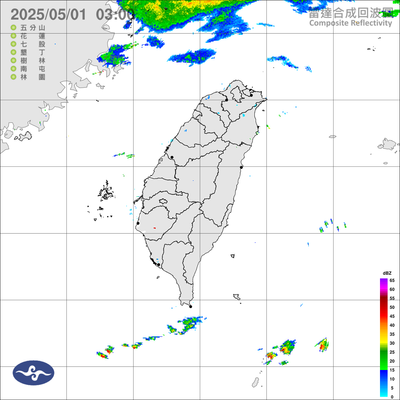
雷達回波圖

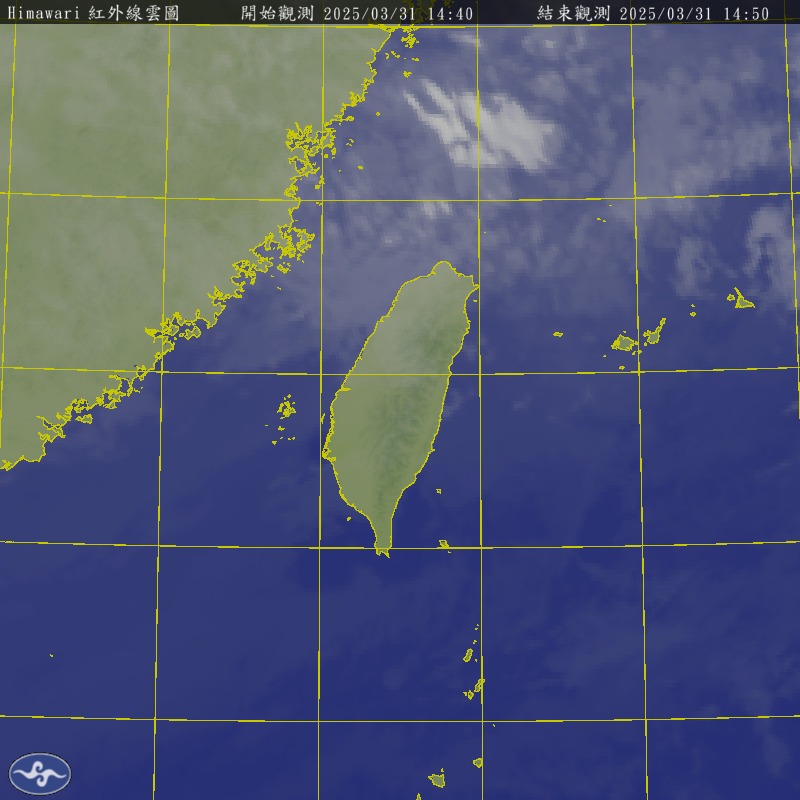
衛星雲圖

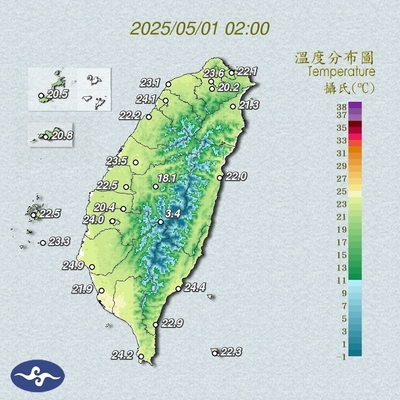
溫度分布圖