:::

📖 中英台羅馬注音聖經朗讀+難字注音Taiwanese Bible Reading (Audio) 台語聖經朗讀(和合本)(程式設計:黃哲輝牧師2025)

📘 說明 📱 手機版

Listen to the Holy Bible in Taiwanese language online. Free Taiwanese Bible Reading with audio, Chinese text, and Romanization.

台羅詞塊排版: 羅馬字在右 羅馬字在下
經卷: 章: 經文關鍵字搜尋: 範圍: | 欄位:
⬅️ 上一章 目前:18約伯記 第 39 章 下一章 ➡️
18約伯記 39:1
🔎 難字注音 🔗 分享
山巖間的野山羊幾時生產,你知道嗎?母鹿下犢之期,你能察定嗎? 1 「Do you know when the mountain goats give birth? Do you watch when the doe bears her fawn?
山巖間的野山羊幾時生產,你知道嗎?母鹿下犢之期,你能察定嗎?
山(Suann) 巖(Giâm) 間(King) 的(ê) 野(iá) 山(Suann) 羊(Iûnn) 幾時(Kuí-sî) 生(seⁿ或siⁿ) 產(Sán), 你(Lí) 知道(Tsai-iánn知影) 嗎(mah)? 母(Bó) 鹿(Lo̍k) 下(Ē) 犢(To̍k) 之(Tsi) 期(Kî), 你(Lí) 能(Ē會) 察(Tshat) 定(tēng) 嗎(mah)?
📖 檢視 (0) 👁️ 瀏覽數:1
18約伯記 39:2
🔎 難字注音 🔗 分享
牠們懷胎的月數,你能數算嗎?牠們幾時生產,你能曉得嗎? 2 Do you count the months till they bear? Do you know the time they give birth?
牠們懷胎的月數,你能數算嗎?牠們幾時生產,你能曉得嗎?
牠(I伊) 們(Bûn) 懷(Huâi) 胎(The) 的(ê) 月(Gue̍h) 數(Siàu), 你(Lí) 能(Ē會) 數算(Siàu-sǹg) 嗎(mah)? 牠(I伊) 們(Bûn) 幾時(Kuí-sî) 生(seⁿ或siⁿ) 產(Sán), 你(Lí) 能(Ē會) 曉(Hiáu) 得(tit) 嗎(mah)?
📖 檢視 (0) 👁️ 瀏覽數:1
18約伯記 39:3
🔎 難字注音 🔗 分享
牠們屈身,將子生下,就除掉疼痛。 3 They crouch down and bring forth their young; their labor pains are ended.
牠們屈身,將子生下,就除掉疼痛。
牠(I伊) 們(Bûn) 屈(Khut) 身(Sin), 將(chiong) 子(chí) 生(seⁿ或siⁿ) 下(Ē), 就(chiū) 除(Tî) 掉(Lak) 疼痛(thiànn-thàng)。
📖 檢視 (0) 👁️ 瀏覽數:1
18約伯記 39:4
🔎 難字注音 🔗 分享
這子漸漸肥壯,在荒野長大,去而不回。 4 Their young thrive and grow strong in the wilds; they leave and do not return.
這子漸漸肥壯,在荒野長大,去而不回。
這(Tsit) 子(chí) 漸(Tsiām) 漸(Tsiām) 肥(Puî) 壯(Tsòng), 在(tī) 荒(Hng) 野(iá) 長(Tn̂g) 大(tuā), 去(Khì) 而(jî) 不(bô) 回(Huê/tńg)。
📖 檢視 (0) 👁️ 瀏覽數:1
18約伯記 39:5
🔎 難字注音 🔗 分享
誰放野驢出去自由?誰解開快驢的繩索? 5 「Who let the wild donkey go free? Who untied his ropes?
誰放野驢出去自由?誰解開快驢的繩索?
誰(siáng) 放(pàng) 野(iá) 驢(Lû) 出(tshut) 去(Khì) 自(Tsū) 由(Iû)? 誰(siáng) 解(Kái) 開(Khui) 快(Kín緊) 驢(Lû) 的(ê) 繩(tsîn/sîn) 索(Soh)?
📖 檢視 (0) 👁️ 瀏覽數:1
18約伯記 39:6
🔎 難字注音 🔗 分享
我使曠野作牠的住處,使鹹地當牠的居所。 6 I gave him the wasteland as his home, the salt flats as his habitat.
我使曠野作牠的住處,使鹹地當牠的居所。
我(Guá) 使(hō) 曠野(Khòng-iá) 作(Tsoh) 牠(I伊) 的(ê) 住(tsū) 處(Tshù), 使(hō) 鹹(Kiâm) 地(tē) 當(Tng) 牠(I伊) 的(ê) 居(Ki) 所(sóo)。
📖 檢視 (0) 👁️ 瀏覽數:1
18約伯記 39:7
🔎 難字注音 🔗 分享
牠嗤笑城內的喧嚷,不聽趕牲口的喝聲。 7 He laughs at the commotion in the town; he does not hear a driver's shout.
牠嗤笑城內的喧嚷,不聽趕牲口的喝聲。
牠(I伊) 嗤笑(Tshi-tshiò) 城(siânn) 內(Lāi) 的(ê) 喧嚷(Suan-jiáng), 不(bô) 聽(Thiann) 趕(kóaⁿ) 牲(Senn) 口(kháu) 的(ê) 喝(Lim啉) 聲(Siann)。
📖 檢視 (0) 👁️ 瀏覽數:1
18約伯記 39:8
🔎 難字注音 🔗 分享
遍山是牠的草場;牠尋找各樣青綠之物。 8 He ranges the hills for his pasture and searches for any green thing.
遍山是牠的草場;牠尋找各樣青綠之物。
遍(Phiàn) 山(Suann) 是(sī) 牠(I伊) 的(ê) 草(Tsháu) 場(Tiûnn); 牠(I伊) 尋找(Tsáu-tshuē走揣) 各樣(ta̍k-iūⁿ) 青(Tshenn) 綠(li̍k/lio̍k) 之(Tsi) 物(bu̍t)。
📖 檢視 (0) 👁️ 瀏覽數:1
18約伯記 39:9
🔎 難字注音 🔗 分享
野牛豈肯服事你?豈肯住在你的槽旁? 9 「Will the wild ox consent to serve you? Will he stay by your manger at night?
野牛豈肯服事你?豈肯住在你的槽旁?
野(iá) 牛(Gû) 豈(Khí) 肯(Khíng) 服(Ho̍k) 事(sū) 你(Lí)? 豈(Khí) 肯(Khíng) 住(tsū) 在(tī) 你(Lí) 的(ê) 槽(Tsô) 旁(Pîng爿)?
📖 檢視 (0) 👁️ 瀏覽數:1
18約伯記 39:10
🔎 難字注音 🔗 分享
你豈能用套繩將野牛籠在犛溝之間?牠豈肯隨你耙山谷之地? 10 Can you hold him to the furrow with a harness? Will he till the valleys behind you?
你豈能用套繩將野牛籠在犛溝之間?牠豈肯隨你耙山谷之地?
你(Lí) 豈(Khí) 能(Ē會) 用(Īng) 套(Thò) 繩(tsîn/sîn) 將(chiong) 野(iá) 牛(Gû) 籠(Lâng) 在(tī) 犛(Lî) 溝(Kau) 之間(chi-kan)? 牠(I伊) 豈(Khí) 肯(Khíng) 隨(Suî) 你(Lí) 耙(Pê) 山(Suann) 谷(Kok) 之(Tsi) 地(tē)?
📖 檢視 (0) 👁️ 瀏覽數:1
18約伯記 39:11
🔎 難字注音 🔗 分享
豈可因牠的力大就倚靠牠?豈可把你的工交給牠做嗎? 11 Will you rely on him for his great strength? Will you leave your heavy work to him?
豈可因牠的力大就倚靠牠?豈可把你的工交給牠做嗎?
豈(Khí) 可(khó) 因(In-uī因為) 牠(I伊) 的(ê) 力(La̍t) 大(tuā) 就(chiū) 倚靠(uá-khò) 牠(I伊)? 豈(Khí) 可(khó) 把(Kā) 你(Lí) 的(ê) 工(kang) 交(Kau) 給(hō͘) 牠(I伊) 做(Tsò) 嗎(mah)?
📖 檢視 (0) 👁️ 瀏覽數:1
18約伯記 39:12
🔎 難字注音 🔗 分享
豈可信靠牠把你的糧食運到家,又收聚你禾場上的榖嗎? 12 Can you trust him to bring in your grain and gather it to your threshing floor?
豈可信靠牠把你的糧食運到家,又收聚你禾場上的榖嗎?
豈(Khí) 可(khó) 信(Sìn) 靠(khò) 牠(I伊) 把(Kā) 你(Lí) 的(ê) 糧食(niû-si̍t) 運(Īn) 到(kàu) 家(Ke), 又(Koh) 收(Siu) 聚(Tsū) 你(Lí) 禾(Hô) 場(Tiûnn) 上(siōng/tíng) 的(ê) 榖(kok) 嗎(mah)?
📖 檢視 (0) 👁️ 瀏覽數:1
18約伯記 39:13
🔎 難字注音 🔗 分享
鴕鳥的翅膀歡然搧展,豈是顯慈愛的翎毛和羽毛嗎? 13 「The wings of the ostrich flap joyfully, but they cannot compare with the pinions and feathers of the stork.
鴕鳥的翅膀歡然搧展,豈是顯慈愛的翎毛和羽毛嗎?
鴕(Tô) 鳥(chiáu) 的(ê) 翅膀(si̍t-kóo翅股) 歡(Huann) 然(Jiân) 搧(siàn/sàm) 展(Tián), 豈是(kám-sī) 顯(Hiánn) 慈愛(Tsû-ài) 的(ê) 翎(Līng) 毛(Môo) 和(Kap) 羽(Ú) 毛(Môo) 嗎(mah)?
📖 檢視 (1) 👁️ 瀏覽數:1
18約伯記 39:14
🔎 難字注音 🔗 分享
因牠把蛋留在地上,在塵土中使得溫暖; 14 She lays her eggs on the ground and lets them warm in the sand,
因牠把蛋留在地上,在塵土中使得溫暖;
因(In-uī因為) 牠(I伊) 把(Kā) 蛋(tàn) 留(Lâu) 在(tī) 地上(tōe-chiūⁿ), 在(tī) 塵土(thô͘-hún土粉) 中(Tiong) 使(hō) 得(tit) 溫(Un) 暖(Luán);
📖 檢視 (0) 👁️ 瀏覽數:1
18約伯記 39:15
🔎 難字注音 🔗 分享
卻想不到被腳踹碎,或被野獸踐踏。 15 unmindful that a foot may crush them, that some wild animal may trample them.
卻想不到被腳踹碎,或被野獸踐踏。
卻(khiok) 想(Siūnn) 不(bô) 到(kàu) 被(pī) 腳(Kha跤) 踹(làm/tsàm) 碎(Tshuì), 或(ia̍h抑) 被(pī) 野獸(iá-siù) 踐踏(Thún-ta̍h𧿬踏)。
📖 檢視 (0) 👁️ 瀏覽數:1
18約伯記 39:16
🔎 難字注音 🔗 分享
牠忍心待雛,似乎不是自己的;雖然徒受勞苦,也不為雛懼怕; 16 She treats her young harshly, as if they were not hers; she cares not that her labor was in vain,
牠忍心待雛,似乎不是自己的;雖然徒受勞苦,也不為雛懼怕;
牠(I伊) 忍(Lún) 心(Sim) 待(Tāi) 雛(Tshu), 似(sāi/sū) 乎(honnh) 不(bô) 是(sī) 自己(Ka-kī) 的(ê); 雖然(Sui-jiân) 徒(Tôo) 受(Siū) 勞苦(Lô-khóo), 也(iā) 不(bô) 為(ûi) 雛(Tshu) 懼怕(khū-phà);
📖 檢視 (0) 👁️ 瀏覽數:1
18約伯記 39:17
🔎 難字注音 🔗 分享
因為 神使牠沒有智慧,也未將悟性賜給牠。 17 for God did not endow her with wisdom or give her a share of good sense.
因為 上帝使牠沒有智慧,也未將悟性賜給牠。
因為(In-uī) 上帝(siōng-tè) 使(hō) 牠(I伊) 沒(Bô無) 有(ū) 智慧(Tì-huī), 也(iā) 未(Buē) 將(chiong) 悟(Ngōo) 性(sìng) 賜(Sù) 給(hō͘) 牠(I伊)。
📖 檢視 (0) 👁️ 瀏覽數:1
18約伯記 39:18
🔎 難字注音 🔗 分享
牠幾時挺身展開翅膀,就嗤笑馬和騎馬的人。 18 Yet when she spreads her feathers to run, she laughs at horse and rider.
牠幾時挺身展開翅膀,就嗤笑馬和騎馬的人。
牠(I伊) 幾時(Kuí-sî) 挺(thíng/thánn) 身(Sin) 展(Tián) 開(Khui) 翅膀(si̍t-kóo翅股), 就(chiū) 嗤笑(Tshi-tshiò) 馬(má) 和(Kap) 騎(Khiâ) 馬(má) 的(ê) 人(lâng)。
📖 檢視 (0) 👁️ 瀏覽數:1
18約伯記 39:19
🔎 難字注音 🔗 分享
馬的大力是你所賜的嗎?牠頸項上挓的是你給牠披上的嗎? 19 「Do you give the horse his strength or clothe his neck with a flowing mane?
馬的大力是你所賜的嗎?牠頸項上挓 的 是你給牠披上的嗎?
馬(má) 的(ê) 大(tuā) 力(La̍t) 是(sī) 你(Lí) 所(sóo) 賜(Sù) 的(ê) 嗎(mah)? 牠(I伊) 頸項(ām-kún頷頸) 上(siōng/tíng) 挓(thà) 的(ê) 是(sī) 你(Lí) 給(hō͘) 牠(I伊) 披(Phi) 上(siōng/tíng) 的(ê) 嗎(mah)?
📖 檢視 (1) 👁️ 瀏覽數:1
18約伯記 39:20
🔎 難字注音 🔗 分享
是你叫牠跳躍像蝗蟲嗎?牠噴氣之威使人驚惶。 20 Do you make him leap like a locust, striking terror with his proud snorting?
是你叫牠跳躍像蝗蟲嗎?牠噴氣之威使人驚惶。
是(sī) 你(Lí) 叫(kiò) 牠(I伊) 跳(thiàu) 躍(Io̍k) 像(tshiūnn) 蝗蟲(Hông-thiông) 嗎(mah)? 牠(I伊) 噴(phùn) 氣(Khì) 之(Tsi) 威(Ui) 使(hō) 人(lâng) 驚惶(kiaⁿ-hiâⁿ)。
📖 檢視 (0) 👁️ 瀏覽數:1
18約伯記 39:21
🔎 難字注音 🔗 分享
牠在谷中刨地,自喜其力;牠出去迎接佩帶兵器的人。 21 He paws fiercely, rejoicing in his strength, and charges into the fray.
牠在谷中刨地,自喜其力;牠出去迎接佩帶兵器的人。
牠(I伊) 在(tī) 谷(Kok) 中(Tiong) 刨(Khau剾) 地(tē), 自(Tsū) 喜(Hí) 其(Kî) 力(La̍t); 牠(I伊) 出(tshut) 去(Khì) 迎接(Gîng-tsiap) 佩(Puē) 帶(tuà) 兵(Ping) 器(Khì) 的(ê) 人(lâng)。
📖 檢視 (0) 👁️ 瀏覽數:1
18約伯記 39:22
🔎 難字注音 🔗 分享
牠嗤笑可怕的事並不驚惶,也不因刀劍退回。 22 He laughs at fear, afraid of nothing; he does not shy away from the sword.
牠嗤笑可怕的事並不驚惶,也不因刀劍退回。
牠(I伊) 嗤笑(Tshi-tshiò) 可(khó) 怕(Kiann驚) 的(ê) 事(sū) 並(pēng) 不(bô) 驚惶(kiaⁿ-hiâⁿ), 也(iā) 不(bô) 因(In-uī因為) 刀(To) 劍(kiàm) 退(Thè) 回(Huê/tńg)。
📖 檢視 (0) 👁️ 瀏覽數:1
18約伯記 39:23
🔎 難字注音 🔗 分享
箭袋和發亮的槍,並短槍在牠身上錚錚有聲。 23 The quiver rattles against his side, along with the flashing spear and lance.
箭袋和發亮的槍,並短槍在牠身上錚錚有聲。
箭(Tsìnn) 袋(Tē) 和(Kap) 發(hoat) 亮(liāng/Kng光) 的(ê) 槍(tshìng/tshiunn), 並(pēng) 短(té) 槍(tshìng/tshiunn) 在(tī) 牠(I伊) 身上(sin-khu-tíng身軀頂) 錚(Tsing) 錚(Tsing) 有(ū) 聲(Siann)。
📖 檢視 (1) 👁️ 瀏覽數:1
18約伯記 39:24
🔎 難字注音 🔗 分享
牠發猛烈的怒氣將地吞下;一聽角聲就不耐站立。 24 In frenzied excitement he eats up the ground; he cannot stand still when the trumpet sounds.
牠發猛烈的怒氣將地吞下;一聽角聲就不耐站立。
牠(I伊) 發(hoat) 猛(Mé) 烈(Lia̍t) 的(ê) 怒(Lōo) 氣(Khì) 將(chiong) 地(tē) 吞(Thun) 下(Ē); 一(Tsi̍t) 聽(Thiann) 角(Kak) 聲(Siann) 就(chiū) 不(bô) 耐(Nāi) 站(khiā徛) 立(Li̍p)。
📖 檢視 (0) 👁️ 瀏覽數:1
18約伯記 39:25
🔎 難字注音 🔗 分享
角每發聲,牠說呵哈;牠從遠處聞著戰氣,又聽見軍長大發雷聲和兵丁吶喊。 25 At the blast of the trumpet he snorts, Aha! He catches the scent of battle from afar, the shout of commanders and the battle cry.
角每發聲,牠說呵哈;牠從遠處聞著戰氣,又聽見軍長大發雷聲和兵丁吶喊。
角(Kak) 每(muí) 發(hoat) 聲(Siann), 牠(I伊) 說(kóng) 呵(O) 哈(Ha); 牠(I伊) 從(tùi) 遠(hn̄g) 處(Tshù) 聞(Phīnn鼻) 著(Tio̍h對) 戰(Tsiàn) 氣(Khì), 又(Koh) 聽見(Thiann-tio̍h聽著) 軍(Kun) 長(Tn̂g) 大(tuā) 發(hoat) 雷(Luî) 聲(Siann) 和(Kap) 兵(Ping) 丁(Ting) 吶(Nā) 喊(Huah喝)。
📖 檢視 (1) 👁️ 瀏覽數:1
18約伯記 39:26
🔎 難字注音 🔗 分享
鷹雀飛翔,展開翅膀一直向南,豈是藉你的智慧嗎? 26 「Does the hawk take flight by your wisdom and spread his wings toward the south?
鷹雀飛翔,展開翅膀一直向南,豈是藉你的智慧嗎?
鷹(Ing) 雀(Tshik) 飛(pue) 翔(Siông), 展(Tián) 開(Khui) 翅膀(si̍t-kóo翅股) 一(Tsi̍t) 直(Ti̍t) 向(hiòng) 南(Lâm), 豈是(kám-sī) 藉(Tsiah) 你(Lí) 的(ê) 智慧(Tì-huī) 嗎(mah)?
📖 檢視 (1) 👁️ 瀏覽數:1
18約伯記 39:27
🔎 難字注音 🔗 分享
大鷹上騰在高處搭窩,豈是聽你的吩咐嗎? 27 Does the eagle soar at your command and build his nest on high?
大鷹上騰在高處搭窩,豈是聽你的吩咐嗎?
大(tuā) 鷹(Ing) 上(siōng/tíng) 騰(Sing升) 在(tī) 高(Kuân懸) 處(Tshù) 搭(tah) 窩(O), 豈是(kám-sī) 聽(Thiann) 你(Lí) 的(ê) 吩咐(hoan-hù) 嗎(mah)?
📖 檢視 (0) 👁️ 瀏覽數:1
18約伯記 39:28
🔎 難字注音 🔗 分享
牠住在山巖,以山峰和堅固之所為家, 28 He dwells on a cliff and stays there at night; a rocky crag is his stronghold.
牠住在山巖,以山峰和堅固之所為家,
牠(I伊) 住(tsū) 在(tī) 山(Suann) 巖(Giâm), 以(Í) 山(Suann) 峰(Hong) 和(Kap) 堅固(kian-kòo) 之(Tsi) 所(sóo) 為(ûi) 家(Ke),
📖 檢視 (0) 👁️ 瀏覽數:1
18約伯記 39:29
🔎 難字注音 🔗 分享
從那裏窺看食物,眼睛遠遠觀望。 29 From there he seeks out his food; his eyes detect it from afar.
從那裏窺看食物,眼睛遠遠觀望。
從(tùi) 那裏(Hit-pîng) 窺(Khui) 看(khòaⁿ) 食物(si̍t-bu̍t), 眼睛(Ba̍k-tsiuj眼珠) 遠(hn̄g) 遠(hn̄g) 觀(Kuan) 望(Bāng)。
📖 檢視 (0) 👁️ 瀏覽數:1
18約伯記 39:30
🔎 難字注音 🔗 分享
牠的雛也咂血;被殺的人在哪裏,牠也在那裏。 30 His young ones feast on blood, and where the slain are, there is he.」
牠的雛也咂血;被殺的人在哪裏,牠也在那裏。
牠(I伊) 的(ê) 雛(Tshu) 也(iā) 咂(Tsa̍p) 血(Hueh); 被(pī) 殺(Thâi刣) 的(ê) 人(lâng) 在哪裏(tī tah-lo̍h), 牠(I伊) 也(iā) 在那(tī-hia) 裏(lí)。
📖 檢視 (0) 👁️ 瀏覽數:1

荒漠甘泉五合一

你進站:2026年03月25日
時間是:13時39分52秒
■ 中文荒漠甘泉(03月25日)
三月廿五日 「人非有信,就不能得神的喜悅,因為到神面前來的人,必須信有神,且信祂賞賜那尋求祂的人。」希伯來書十一章6節 信心在危急中更能發揮它的力量。 聖經中充滿著危難的日子。它的故事由危難的日子所構成的,它的詩篇,是在危難日子中獲得的靈感,它的預言也與此有關,它的啟示也以此為透露的媒介。 危難的日子是通往光明之路的踏腳石;是神的機會,也是人類智慧的訓練所。詩篇第一百零七篇歌頌耶和華的慈愛,此外在每個救贖的故事中,危急存亡之秋,往往是神的好機會。人的才智窮竭,絕望無援的時候,是神的能力開始發揮。記得嗎?神曾應許—─對從未生過孩子而老得形同朽木的夫婦,將可獲有後裔,並且多如天上的星,又如海邊的沙。你可翻開聖經再讀一讀以色列人在紅海得救的故事,還有以色列人抬著約櫃,從約但河中涉水而過的故事,他們是怎樣祈禱的。再溫習一下尼希米、但以理、何西阿和哈巴谷的歷史。再以敬畏的心默默立於「客西馬尼」的幽暗中,到約瑟家的墳墓旁,回想那些可怕的日子,去拜訪最初創立教會的見證人,去探問使徒門在危難日子中所經歷的故事。 危急勝於灰心。 信心不會使危急變成絕望。信心的任務是支持你去解決危難,在危難之際,信心的反面就是灰心,信心維持不變,就能得勝。 在危難恐怕沒有比那三個希伯來子民所表現更為偉大。他們的處境雖然危急萬分,但他們仍能勇敢地回答道:「我們事奉的神,必能把我們救出這烈焰的火窯;祂更能把我們從暴君的手中救出來,但即使不是如此,暴君你也該知道,我們決不事奉你的神,也不敬拜你所立的偶像」(參但以理書三章) 「但即使不是如此」,這句話何等令人欽佩。 我想把剩餘的篇幅,來說起耶穌在客西馬尼園中的禱告。請深切地體味其中「然而」二字,「倘若可行,求你叫這杯離開我,然而不要照我的意思,只要照你意思!」深沈的黑暗已籠罩著主的靈魂。信靠神,就要受流血的痛苦,淪入死亡的深淵,─—然而! 現在拿起你們的詩歌本,唱你們所最喜愛的,那些讚美危急中信心的詩吧。           ─契特威克 障礙與苦難,  像囹圄與牢獄, 我只盡我的本分,  其餘讓神去完成。 脫離悲痛的機會與變化,  久待不來, 似已消失, 危急中終有希望的力量,  靜靜等待神賜恩澤。
■ 英文荒漠甘泉(03月25日)
March 25  "But without faith it is impossible to please him: for he that cometh to God must believe that he is, and that he is a rewarder of them that diligently seek him."(Heb. 11:6.)  THE faith for desperate days.  The Bible is full of such days. Its record is made up of them, its songs are inspired by them, its prophecy is concerned with them, and its revelation has come through them.  The desperate days are the stepping-stones in the path of light. They seem to have been God's opportunity and man's school of wisdom.  There is a story of an Old Testament love feast in Psalm 107, and in every story of deliverance the point of desperation gave God His chance. The "wit's end" of desperation was the beginning of God's power. Recall the promise of seed as the stars of heaven, and as the sands of the sea, to a couple as good as dead. Read again the story of the Red Sea and its deliverance, and of Jordan with its ark standing mid-stream. Study once more the prayers of Asa, Jehoshaphat, and Hezekiah, when they were sore pressed and knew not what to do. Go over the history of Nehemiah, Daniel, Hosea, and Habakkuk. Stand with awe in the darkness of Gethsemane, and linger by the grave in Joseph's garden through those terrible days. Call the witnesses of the early Church, and ask the apostles the story of their desperate days.  Desperation is better than despair.  Faith did not make our desperate days. its work is to sustain and solve them. The only alternative to a desperate faith is despair, and faith holds on and prevails.  There is no more heroic example of desperate faith than that of the three Hebrew Children. The situation was desperate, but they answered bravely, "Our God whom we serve is able to deliver us from the burning, fiery furnace; and he will deliver us out of thine hand, O king. but if not, be it known unto thee, O king, that we will not serve thy gods, nor worship the golden image which thou hast set up." I like that," but if not!"  I have only space to mention Gethsemane. Ponder deeply its" Nevertheless." "If it is possible....nevertheless!" Deep darkness had settled upon the soul of our Lord. Trust meant anguish unto blood and darkness to the descent of hell─Nevertheless! Nevertheless!  Now get your hymn book and sing your favorite hymn of desperate faith. ─Rev. S. Chadwick. "When obstacles and trials seem  Like prison walls to be, I do the little I can do  And leave the rest to Thee. "And when there seems no chance, no change,  From grief can set me free, Hope finds its strength in helplessness,  And calmly waits for Thee."
■ 永活之泉(03月25日)
三月廿五日 神旨意的成全 「因為耶和華揀選了錫安,願意當作自己的居所。我要住在這裡,因為是我所願意的」詩篇一三二篇13—14節 在這裡看見神一個偉大的心願,感動祂做成救贖的工作。祂的心乃是巴望與人同住,也住在人裡面。 神對摩西說:「又當為我造聖所,使我可以住在他們中間。」正如當初以色列人為神預備居所,神的兒女今天也照樣蒙召,將自己獻上,讓神住在他們裡面,並使更多的人成為祂的居所。由於神的這一願望充滿在我們心中,它將在我們裡面引起一個心願,去帶領四周的人也成為祂的居所。 何等榮耀!何等尊貴的呼召!使我們看地上的事全然次要,而以得著更多的人成為我們的生活、喜悅,並讓神從他們也得著喜悅!「我要住在這裡,因為是我所願意的。」 這件事我可藉著禱告得以成全,可以為著四周的人禱告,求神將聖靈賜給他們。此乃神偉大的計劃,使人自己成為祂的居所。神為了垂聽祂兒女不住的代禱,而賜下祂的能力與祝福。由於神這個偉大的意願充滿在我們裡面,我們就將自己全然獻上,為了成全神的意願。 試想大衛,當他想到神的意願乃要居住在以色列中間時,他說:「我不容我的眼睛睡覺,也不容我的眼目打盹;直等我為耶和華尋得所在,為雅各的大能者尋得居所。」難道我們既看見了內住的神向我們顯現,豈不更將自己獻上,為著成就神的意願? 但願我們從此開始為著我們的兒女、周圍的人,以及全地的人禱告。不僅是因為我們愛他們,更特別因著神渴望得著他們。神給我們尊榮作祂的管子,藉著我們帶下祂的祝福。神的兒女們,願你們領悟神何以尋找人做代禱者,藉著你們使祂心中偉大的意願得著滿足。 禱告: 神啊!您曾說到人的心,「我要住在這裡,因為是我所願意的」,我們求您教導我們如何晝夜禱告,使您的心願早日得成。阿們。
■ 中文屬天日子(03月25日)
三月廿五日 人間最慎重的使命 「新郎的朋友。」約翰福音三章29節 良善和純潔,從不引人注意它們的本身,而是引人到耶穌基督的磁石。如果我的聖潔不是引人歸向祂,那就不是合理的,卻是刺激不法的情感,領人進到旁門左道的感力。一個修潔美好的聖徒,如果不講耶穌基督,僅講耶穌基督替他所行的事,也許是一種障礙,也許他留給人們這樣的印象──這麼好的人!這麼好的品格啊!──可就不是新郎的真朋友;我常是興旺,祂反而衰敗。 為了保持對於新郎這種友誼和忠實,我們必得多多留心我們和其道德上的關係,少注意其他的事;甚至順服也不可過於注意。我們若與耶穌基督真實的聯合,則順服是不成問題的,因為順服的關係我們保持慣了。不過早晚總有特殊的事件發生,我們要特別尋找神的旨意而順服之,這可以說大部份的生命不在注重順服,而在保守這種關係──做新郎的朋友。做基督的事工,也許是一種引人不集中於耶穌基督的方法。我們或不是新郎的朋友,而是先見之明的先知,也許我們以祂的武器去作反抗祂的工作。
■ 中文上海嗎哪(03月25日)
三月廿五日 「……以聖潔的妝飾敬拜耶和華。」詩篇廿九篇2節 有個人曾經說,他所認識的人當中,沒有人比聖潔的基督徒脾氣更壞。或許他指的只是那些自稱為聖潔的基督徒。有些笨拙、不友善、沒愛心的基督徒性格,與真正聖潔毫無關係;至少,與最高的聖潔生活方式沒有任何關係。不聖潔的生活彷彿沒有肉的枯骨,又如沒有樹籐或綠葉妝飾的石頭。耶穌不僅善良純全,而且完美、充滿吸引人的溫暖之愛。 我們已讀過不同種的美德:「凡是公義的……可愛的,有美名的……。」(腓四8)總之,至少有一千種基督徒的美德,是我們無法忽視的。事實上,就像完成任何一件藝術品前的最後一步,是同樣的重要性,所以不要認為神花了太多的時間,在教導我們這些許多人視為小事的美德。 神不僅要祂的教會毫無玷污,而且要毫無皺紋(參以弗所書五章27節)。
:::

線上使用者

28人線上 (2人在瀏覽中英台羅馬聖經朗讀)

會員: 0

訪客: 28

更多…

📖 今日推薦台語聖經朗讀Taiwanese Bible Reading

[2026-03-25] 📖 創世記 8章 ▶播整章
[2026-03-24] 📖 創世記 7章 ▶播整章
[2026-03-23] 📖 創世記 5章 ▶播整章
[2026-03-22] 📖 馬太福音 28章 ▶播整章
[2026-03-21] 📖 馬太福音 24章 ▶播整章

台語朗讀MP3錄製進度

Taiwanese Bible Reading Audio | 台語聖經朗讀(和合本)

Listen to Taiwanese Bible reading audio online. Includes Mandarin and Taiwanese Bible with pronunciation.

提供免費台語聖經朗讀,包含國語與台語對照。

📖 已錄音經卷

創世記 1-8 / 50
馬太福音 1-28 / 28

訪客分佈圖2026.03.17設

計數器

今天: 2143214321432143
昨天: 4165416541654165
總計: 1084945710849457108494571084945710849457108494571084945710849457

🎹教會MIDI卡拉OK新增

台語羅馬字典

📖 國芙台語聖經新增

會員登入

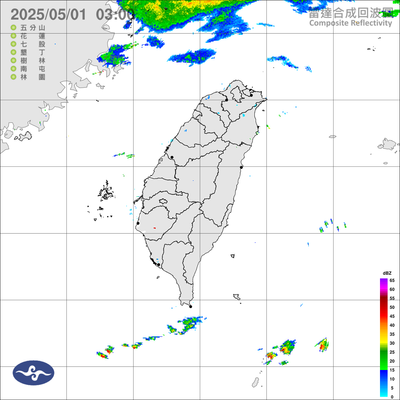
雷達回波圖

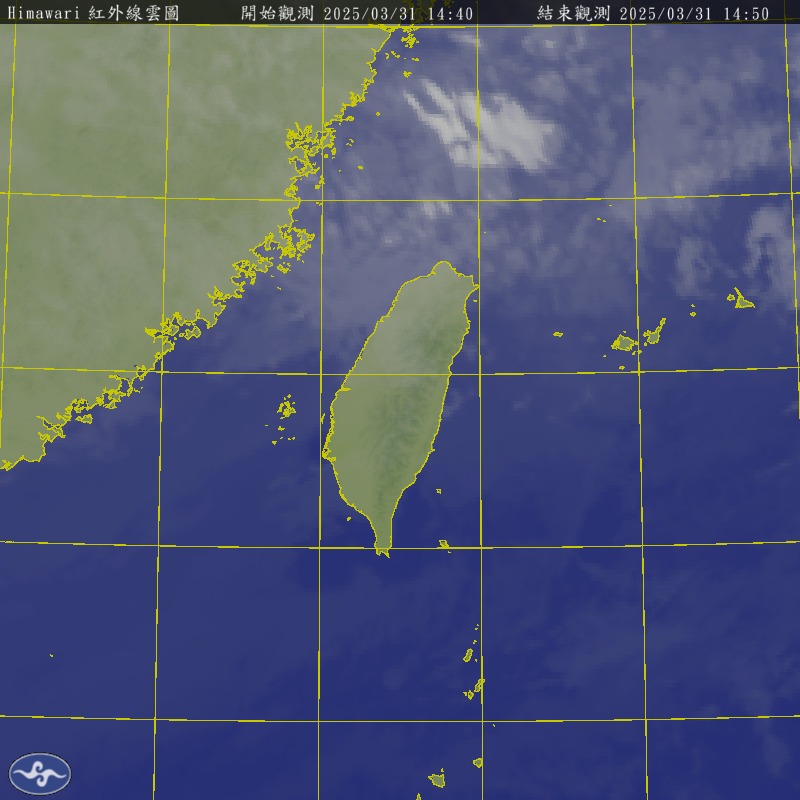
衛星雲圖

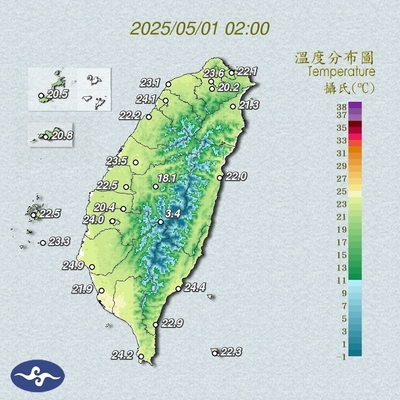
溫度分布圖