:::

📖 中英台羅馬注音聖經朗讀+難字注音(程式設計:黃哲輝牧師2025)

台羅詞塊排版: 羅馬字在右 羅馬字在下
經卷: 章: 經文關鍵字搜尋: 範圍: | 欄位:
⬅️ 上一章 目前:01創世記 第 11 章 下一章 ➡️
01創世記 11:1
🔎 難字注音 🔗 分享
那時,天下人的口音、言語都是一樣。 1 Now the whole world had one language and a common speech.
那時天下人的,口音言語都是一樣。
那(hia) 時(Sî) 天下(thian-hā) 人(lâng) 的(ê), 口音(Kháu-im) 言語(Giân-gú) 都(Lóng) 是(sī) 一樣(Kāng-khuán同款)。
📖 檢視 (2) 👁️ 瀏覽數:1
01創世記 11:2
🔎 難字注音 🔗 分享
他們往東邊遷移的時候,在示拿地遇見一片平原,就住在那裏。 2 As men moved eastward, 11:2 Or ((from the east)); or ((in the east)) they found a plain in Shinar 11:2 That is, Babylonia and settled there.
他們往東邊,遷移的時候,在示拿地,遇見一片平原,就住在那裏。
他們(In) 往(óng) 東邊(Tang-pinn), 遷移(tshiân-î) 的(ê) 時候(Sî-tsūn時陣), 在(tī) 示拿(Sī-ná) 地(tē), 遇見(tú-tio̍h) 一(Tsi̍t) 片(Phìnn) 平原(Pîng-guân), 就(chiū) 住(tsū) 在那(tī-hia) 裏(lí)。
📖 檢視 (3) 👁️ 瀏覽數:1
01創世記 11:3
🔎 難字注音 🔗 分享
他們彼此商量說:來罷!我們要作磚,把磚燒透了。他們就拿磚當石頭,又拿石漆當灰泥。 3 They said to each other, 「Come, let's make bricks and bake them thoroughly.」 They used brick instead of stone, and tar for mortar.
他們彼此商量,說來罷,我們要作磚,把磚燒透了,他們就拿磚,當石頭,又拿石漆,當灰泥。
他們(In) 彼此(pí-tshú) 商量(Tsham-siông參詳), 說(kóng) 來(li̍k) 罷(Pā), 我們(Guán阮) 要(iau) 作(Tsoh) 磚(Tsng), 把(Kā) 磚(Tsng) 燒透(Sio-thàu) 了(liáu), 他們(In) 就(chiū) 拿(The̍h提) 磚(Tsng), 當(Tng) 石(Tsio̍h) 頭(Thâu), 又(Koh) 拿(The̍h提) 石(Tsio̍h) 漆(Tshat), 當(Tng) 灰泥(hue-nî)。
📖 檢視 (7) 👁️ 瀏覽數:1
01創世記 11:4
🔎 難字注音 🔗 分享
他們說:來罷!我們要建造一座城和一座塔,塔頂通天,為要傳揚我們的名,免得我們分散在全地上。 4 Then they said, 「Come, let us build ourselves a city, with a tower that reaches to the heavens, so that we may make a name for ourselves and not be scattered over the face of the whole earth.」
他們說來罷,我們要建造一座城,和一座塔,塔頂通天,為要傳揚,我們的名,免得我們,分散在全地上。
他們(In) 說(kóng) 來(li̍k) 罷(Pā), 我們(Guán阮) 要(iau) 建(Kiàn) 造(chō) 一座城(Tsi̍t tsō siânn), 和(Kap) 一(Tsi̍t) 座(Tsō) 塔(Thah), 塔(Thah) 頂(Tíng) 通(Thang) 天(kang), 為(ûi) 要(iau) 傳揚(Thuân-iông), 我們(Guán阮) 的(ê) 名(Miâ), 免得(bián-tit) 我們(Guán阮), 分(Pun) 散(Suànn) 在(tī) 全(Tsuân) 地上(tōe-chiūⁿ)。
📖 檢視 (10) 👁️ 瀏覽數:1
01創世記 11:5
🔎 難字注音 🔗 分享
耶和華降臨,要看看世人所建造的城和塔。 5 But the LORD came down to see the city and the tower that the men were building.
耶和華降臨要看,看世人所建造的,城和塔。
耶和華(Iâ-hô-hoa) 降(Kàng) 臨(Lím) 要(iau) 看(khòaⁿ), 看(khòaⁿ) 世(sè) 人(lâng) 所(sóo) 建(Kiàn) 造(chō) 的(ê), 城(siânn) 和(Kap) 塔(Thah)。
📖 檢視 (1) 👁️ 瀏覽數:1
01創世記 11:6
🔎 難字注音 🔗 分享
耶和華說:看那,他們成為一樣的人民,都是一樣的言語,如今既作起這事來,以後他們所要作的事就沒有不成的了。 6 The LORD said, 「If as one people speaking the same language they have begun to do this, then nothing they plan to do will be impossible for them.
耶和華說,看那,他們成為,一樣的人民,都是一樣的言語,如今既作起這事來,以後他們,所要作的事,就沒有不成的了。
耶和華(Iâ-hô-hoa) 說(kóng), 看(khòaⁿ) 那(hia), 他們(In) 成(Tsiânn) 為(ûi), 一樣(Kāng-khuán同款) 的(ê) 人(lâng) 民(Bîn), 都(Lóng) 是(sī) 一樣(Kāng-khuán同款) 的(ê) 言語(Giân-gú), 如今(Jû-kim) 既(Kì) 作起(Tsoh khí) 這(Tsit) 事(sū) 來(li̍k), 以後(Í-āu) 他們(In), 所(sóo) 要(iau) 作(Tsoh) 的(ê) 事(sū), 就(chiū) 沒(Bô無) 有(ū) 不(bô) 成(Tsiânn) 的(ê) 了(liáu)。
📖 檢視 (1) 👁️ 瀏覽數:1
01創世記 11:7
🔎 難字注音 🔗 分享
我們下去,在那裏變亂他們的口音,使他們的言語彼此不通。 7 Come, let us go down and confuse their language so they will not understand each other.」
我們下去,在那裏,變亂他們,的口音,使他們的言語,彼此不通。
我們(Guán阮) 下去(Lo̍h-khì落去), 在那(tī-hia) 裏(lí), 變亂(Piàn-luān) 他們(In), 的(ê) 口音(Kháu-im), 使(hō) 他們(In) 的(ê) 言語(Giân-gú), 彼此(pí-tshú) 不(bô) 通(Thang)。
📖 檢視 (4) 👁️ 瀏覽數:1
01創世記 11:8
🔎 難字注音 🔗 分享
於是耶和華使他們從那裏分散在全地上;他們就停工,不造那城了。 8 So the LORD scattered them from there over all the earth, and they stopped building the city.
於是耶和華,使他們從那裏,分散在全地上,他們就停工,不造那城了。
於是(chū-án-ne自按呢) 耶和華(Iâ-hô-hoa), 使(hō) 他們(In) 從(tùi) 那裏(Hit-pîng), 分(Pun) 散(Suànn) 在(tī) 全(Tsuân) 地上(tōe-chiūⁿ), 他們(In) 就(chiū) 停(Thîng) 工(kang), 不(bô) 造(chō) 那(hia) 城(siânn) 了(liáu)。
📖 檢視 (1) 👁️ 瀏覽數:1
01創世記 11:9
🔎 難字注音 🔗 分享
因為耶和華在那裏變亂天下人的言語,使眾人分散在全地上,所以那城名叫巴別【就是變亂的意思】。 9 That is why it was called Babel-- 11:9 That is, Babylon; ((Babel)) sounds like the Hebrew for ((confused)). because there the LORD confused the language of the whole world. From there the LORD scattered them over the face of the whole earth.
因為耶和華,在那裏變亂,天下人的言語,使眾人分散,在全地上,所以那城,名叫巴別,就是變亂的意思。
因為(In-uī) 耶和華(Iâ-hô-hoa), 在那(tī-hia) 裏(lí) 變亂(Piàn-luān), 天下(thian-hā) 人(lâng) 的(ê) 言語(Giân-gú), 使(hō) 眾(Tsìng) 人(lâng) 分(Pun) 散(Suànn), 在(tī) 全(Tsuân) 地上(tōe-chiūⁿ), 所以(Sóo-í) 那(hia) 城(siânn), 名(Miâ) 叫(kiò) 巴別(Pa-pia̍t), 就(chiū) 是(sī) 變亂(Piàn-luān) 的(ê) 意思(Ì-sù)。
📖 檢視 (0) 👁️ 瀏覽數:1
01創世記 11:10
🔎 難字注音 🔗 分享
閃的後代記在下面。洪水以後二年,閃一百歲生了亞法撒。 10 This is the account of Shem. Two years after the flood, when Shem was 100 years old, he became the father 11:10 ((Father)) may mean ((ancestor)); also in verses 11-25. of Arphaxad.
閃的後代,記在下面,洪水以後二年,閃一百歲,生了亞法撒。
閃(Siám) 的(ê) 後代(āu-tāi), 記(Kì) 在(tī) 下面(ē-bīn), 洪水(hông-tsuí) 以後(Í-āu) 二(Jī) 年(Nî), 閃(Siám) 一百(Tsi̍t-pah) 歲(Huè), 生(seⁿ或siⁿ) 了(liáu) 亞法撒(À-huat-suah)。
📖 檢視 (1) 👁️ 瀏覽數:1
01創世記 11:11
🔎 難字注音 🔗 分享
閃生亞法撒之後又活了五百年,並且生兒養女。 11 And after he became the father of Arphaxad, Shem lived 500 years and had other sons and daughters.
閃生亞法撒之後,又活了五百年,並且生兒養女。
閃(Siám) 生(seⁿ或siⁿ) 亞法撒(À-huat-suah) 之後(Liáu-āu了後), 又(Koh) 活(Ua̍h) 了(liáu) 五(Gōo) 百(Pah) 年(Nî), 並且(pēng-chhiáⁿ) 生(seⁿ或siⁿ) 兒(jî) 養(tshī) 女(lú)。
📖 檢視 (0) 👁️ 瀏覽數:1
01創世記 11:12
🔎 難字注音 🔗 分享
亞法撒活到三十五歲,生了沙拉。 12 When Arphaxad had lived 35 years, he became the father of Shelah.
亞法撒活到,三十五歲,生了沙拉。
亞法撒(À-huat-suah) 活(Ua̍h) 到(kàu), 三十(Sann-Tsa̍p) 五(Gōo) 歲(Huè), 生(seⁿ或siⁿ) 了(liáu) 沙拉(Sià-la)。
📖 檢視 (0) 👁️ 瀏覽數:1
01創世記 11:13
🔎 難字注音 🔗 分享
亞法撒生沙拉之後又活了四百零三年,並且生兒養女。 13 And after he became the father of Shelah, Arphaxad lived 403 years and had other sons and daughters. 11:12,13 Hebrew; Septuagint (see also Luke 3:35, 36 and note at Gen. 10:24) ((35 years, he became the father of Cainan.
亞法撒生沙拉之後,又活了四百零三年,並且生兒養女。
亞法撒(À-huat-suah) 生(seⁿ或siⁿ) 沙拉(Sià-la) 之後(Liáu-āu了後), 又(Koh) 活(Ua̍h) 了(liáu) 四(Sì) 百(Pah) 零(khòng) 三(Sann) 年(Nî), 並且(pēng-chhiáⁿ) 生(seⁿ或siⁿ) 兒(jî) 養(tshī) 女(lú)。
📖 檢視 (0) 👁️ 瀏覽數:1
01創世記 11:14
🔎 難字注音 🔗 分享
沙拉活到三十歲,生了希伯。 14 When Shelah had lived 30 years, he became the father of Eber.
沙拉活到三十歲,生了希伯。
沙拉(Sià-la) 活(Ua̍h) 到(kàu) 三十(Sann-Tsa̍p) 歲(Huè), 生(seⁿ或siⁿ) 了(liáu) 希伯(Hi-pik)。
📖 檢視 (0) 👁️ 瀏覽數:1
01創世記 11:15
🔎 難字注音 🔗 分享
沙拉生希伯之後又活了四百零三年,並且生兒養女。 15 And after he became the father of Eber, Shelah lived 403 years and had other sons and daughters.
沙拉生希伯之後,又活了四百零三年,並且生兒養女。
沙拉(Sià-la) 生(seⁿ或siⁿ) 希伯(Hi-pik) 之後(Liáu-āu了後), 又(Koh) 活(Ua̍h) 了(liáu) 四(Sì) 百(Pah) 零(khòng) 三(Sann) 年(Nî), 並且(pēng-chhiáⁿ) 生(seⁿ或siⁿ) 兒(jî) 養(tshī) 女(lú)。
📖 檢視 (0) 👁️ 瀏覽數:1
01創世記 11:16
🔎 難字注音 🔗 分享
希伯活到三十四歲,生了法勒。 16 When Eber had lived 34 years, he became the father of Peleg.
希伯活到三十四歲,生了法勒。
希伯(Hi-pik) 活(Ua̍h) 到(kàu) 三十(Sann-Tsa̍p) 四(Sì) 歲(Huè), 生(seⁿ或siⁿ) 了(liáu) 法勒(Huat-li̍k)。
📖 檢視 (0) 👁️ 瀏覽數:1
01創世記 11:17
🔎 難字注音 🔗 分享
希伯生法勒之後又活了四百三十年,並且生兒養女。 17 And after he became the father of Peleg, Eber lived 430 years and had other sons and daughters.
希伯生法勒之後,又活了四百三十年,並且生兒養女。
希伯(Hi-pik) 生(seⁿ或siⁿ) 法勒(Huat-li̍k) 之後(Liáu-āu了後), 又(Koh) 活(Ua̍h) 了(liáu) 四(Sì) 百(Pah) 三十(Sann-Tsa̍p) 年(Nî), 並且(pēng-chhiáⁿ) 生(seⁿ或siⁿ) 兒(jî) 養(tshī) 女(lú)。
📖 檢視 (0) 👁️ 瀏覽數:1
01創世記 11:18
🔎 難字注音 🔗 分享
法勒活到三十歲,生了拉吳。 18 When Peleg had lived 30 years, he became the father of Reu.
法勒活到三十歲,生了拉吳。
法勒(Huat-li̍k) 活(Ua̍h) 到(kàu) 三十(Sann-Tsa̍p) 歲(Huè), 生(seⁿ或siⁿ) 了(liáu) 拉吳(La-ngôo)。
📖 檢視 (1) 👁️ 瀏覽數:1
01創世記 11:19
🔎 難字注音 🔗 分享
法勒生拉吳之後又活了二百零九年,並且生兒養女。 19 And after he became the father of Reu, Peleg lived 209 years and had other sons and daughters.
法勒生拉吳之後,又活了二百零九年,並且生兒養女。
法勒(Huat-li̍k) 生(seⁿ或siⁿ) 拉吳(La-ngôo) 之後(Liáu-āu了後), 又(Koh) 活(Ua̍h) 了(liáu) 二(Jī) 百(Pah) 零(khòng) 九(Káu) 年(Nî), 並且(pēng-chhiáⁿ) 生(seⁿ或siⁿ) 兒(jî) 養(tshī) 女(lú)。
📖 檢視 (1) 👁️ 瀏覽數:1
01創世記 11:20
🔎 難字注音 🔗 分享
拉吳活到三十二歲,生了西鹿。 20 When Reu had lived 32 years, he became the father of Serug.
拉吳活到三十二歲,生了西鹿。
拉吳(La-ngôo) 活(Ua̍h) 到(kàu) 三十(Sann-Tsa̍p) 二(Jī) 歲(Huè), 生(seⁿ或siⁿ) 了(liáu) 西鹿(Sai-lo̍k)。
📖 檢視 (0) 👁️ 瀏覽數:1
01創世記 11:21
🔎 難字注音 🔗 分享
拉吳生西鹿之後又活了二百零七年,並且生兒養女。 21 And after he became the father of Serug, Reu lived 207 years and had other sons and daughters.
拉吳生西鹿之後,又活了二百零七年,並且生兒養女。
拉吳(La-ngôo) 生(seⁿ或siⁿ) 西鹿(Sai-lo̍k) 之後(Liáu-āu了後), 又(Koh) 活(Ua̍h) 了(liáu) 二(Jī) 百(Pah) 零七(khòng-tshit) 年(Nî), 並且(pēng-chhiáⁿ) 生(seⁿ或siⁿ) 兒(jî) 養(tshī) 女(lú)。
📖 檢視 (1) 👁️ 瀏覽數:1
01創世記 11:22
🔎 難字注音 🔗 分享
西鹿活到三十歲,生了拿鶴。 22 When Serug had lived 30 years, he became the father of Nahor.
西鹿活到三十歲,生了拿鶴。
西鹿(Sai-lo̍k) 活(Ua̍h) 到(kàu) 三十(Sann-Tsa̍p) 歲(Huè), 生(seⁿ或siⁿ) 了(liáu) 拿鶴(ná-ho̍h)。
📖 檢視 (1) 👁️ 瀏覽數:1
01創世記 11:23
🔎 難字注音 🔗 分享
西鹿生拿鶴之後又活了二百年,並且生兒養女。 23 And after he became the father of Nahor, Serug lived 200 years and had other sons and daughters.
西鹿生拿鶴之後,又活了二百年,並且生兒養女。
西鹿(Sai-lo̍k) 生(seⁿ或siⁿ) 拿鶴(ná-ho̍h) 之後(Liáu-āu了後), 又(Koh) 活(Ua̍h) 了(liáu) 二(Jī) 百(Pah) 年(Nî), 並且(pēng-chhiáⁿ) 生(seⁿ或siⁿ) 兒(jî) 養(tshī) 女(lú)。
📖 檢視 (1) 👁️ 瀏覽數:1
01創世記 11:24
🔎 難字注音 🔗 分享
拿鶴活到二十九歲,生了他拉。 24 When Nahor had lived 29 years, he became the father of Terah.
拿鶴活到二十九歲,生了他拉。
拿鶴(ná-ho̍h) 活(Ua̍h) 到(kàu) 二(Jī) 十(Tsa̍p) 九(Káu) 歲(Huè), 生(seⁿ或siⁿ) 了(liáu) 他拉(Tha-la)。
📖 檢視 (1) 👁️ 瀏覽數:1
01創世記 11:25
🔎 難字注音 🔗 分享
拿鶴生他拉之後又活了一百一十九年,並且生兒養女。 25 And after he became the father of Terah, Nahor lived 119 years and had other sons and daughters.
拿鶴生他拉之後,又活了一百一十九年,並且生兒養女。
拿鶴(ná-ho̍h) 生(seⁿ或siⁿ) 他拉(Tha-la) 之後(Liáu-āu了後), 又(Koh) 活(Ua̍h) 了(liáu) 一百(Tsi̍t-pah) 一(Tsi̍t) 十(Tsa̍p) 九(Káu) 年(Nî), 並且(pēng-chhiáⁿ) 生(seⁿ或siⁿ) 兒(jî) 養(tshī) 女(lú)。
📖 檢視 (0) 👁️ 瀏覽數:1
01創世記 11:26
🔎 難字注音 🔗 分享
他拉活到七十歲,生了亞伯蘭、拿鶴、哈蘭。 26 After Terah had lived 70 years, he became the father of Abram, Nahor and Haran.
他拉活到七十歲,生了亞伯蘭、拿鶴、哈蘭。
他拉(Tha-la) 活(Ua̍h) 到(kàu) 七十(Tshit-tsa̍p) 歲(Huè), 生(seⁿ或siⁿ) 了(liáu) 亞伯蘭(À-Pik-Lân)、 拿鶴(ná-ho̍h)、 哈蘭(Ap-lân)。
📖 檢視 (2) 👁️ 瀏覽數:1
01創世記 11:27
🔎 難字注音 🔗 分享
他拉的後代記在下面。他拉生亞伯蘭、拿鶴、哈蘭;哈蘭生羅得。 27 This is the account of Terah.Terah became the father of Abram, Nahor and Haran. And Haran became the father of Lot.
他拉的後代,記在下面,他拉生亞伯蘭、拿鶴、哈蘭,哈蘭生羅得。
他拉(Tha-la) 的(ê) 後代(āu-tāi), 記(Kì) 在(tī) 下面(ē-bīn), 他拉(Tha-la) 生(seⁿ或siⁿ) 亞伯蘭(À-Pik-Lân)、 拿鶴(ná-ho̍h)、 哈蘭(Ap-lân), 哈蘭(Ap-lân) 生(seⁿ或siⁿ) 羅得(Lô-tik)。
📖 檢視 (1) 👁️ 瀏覽數:1
01創世記 11:28
🔎 難字注音 🔗 分享
哈蘭死在他的本地迦勒底的吾珥,在他父親他拉之先。 28 While his father Terah was still alive, Haran died in Ur of the Chaldeans, in the land of his birth.
哈蘭死在他的本地,迦勒底的吾珥,在他父親他拉之先。
哈蘭(Ap-lân) 死(Sí) 在(tī) 他(I) 的(ê) 本(Pún) 地(tē), 迦勒底(Ka-li̍k-tí) 的(ê) 吾珥(Ngôo jínn), 在(tī) 他(I) 父親(Lāu-pē老爸) 他拉(Tha-la) 之(Tsi) 先(Sing)。
📖 檢視 (4) 👁️ 瀏覽數:1
01創世記 11:29
🔎 難字注音 🔗 分享
亞伯蘭、拿鶴各娶了妻:亞伯蘭的妻子名叫撒萊;拿鶴的妻子名叫密迦,是哈蘭的女兒;哈蘭是密迦和亦迦的父。 29 Abram and Nahor both married. The name of Abram's wife was Sarai, and the name of Nahor's wife was Milcah; she was the daughter of Haran, the father of both Milcah and Iscah.
亞伯蘭、拿鶴各娶了妻,亞伯蘭的妻子,名叫撒萊,拿鶴的妻子,名叫密迦,是哈蘭的女兒,哈蘭是密迦和亦迦的父。
亞伯蘭(À-Pik-Lân)、 拿鶴(ná-ho̍h) 各(Kok) 娶(Tshuā) 了(liáu) 妻(bó͘), 亞伯蘭(À-Pik-Lân) 的(ê) 妻子(khan-tshiú牽手), 名(Miâ) 叫(kiò) 撒萊(Sat-lâi), 拿鶴(ná-ho̍h) 的(ê) 妻子(khan-tshiú牽手), 名(Miâ) 叫(kiò) 密迦(Bi̍t-ka), 是(sī) 哈蘭(Ap-lân) 的(ê) 女兒(lú-jî), 哈蘭(Ap-lân) 是(sī) 密迦(Bi̍t-ka) 和(Kap) 亦迦(Iā khia也迦) 的(ê) 父(Hū)。
📖 檢視 (4) 👁️ 瀏覽數:1
01創世記 11:30
🔎 難字注音 🔗 分享
撒萊不生育,沒有孩子。 30 Now Sarai was barren; she had no children.
撒萊不生育,沒有孩子。
撒萊(Sat-lâi) 不(bô) 生(seⁿ或siⁿ) 育(Io), 沒(Bô無) 有(ū) 孩子(Gín-á囡仔)。
📖 檢視 (2) 👁️ 瀏覽數:1
01創世記 11:31
🔎 難字注音 🔗 分享
他拉帶著他兒子亞伯蘭和他孫子哈蘭的兒子羅得,並他兒婦亞伯蘭的妻子撒萊,出了迦勒底的吾珥,要往迦南地;他們走到哈蘭,就住在那裏。 31 Terah took his son Abram, his grandson Lot son of Haran, and his daughter-in-law Sarai, the wife of his son Abram, and together they set out from Ur of the Chaldeans to go to Canaan. But when they came to Haran, they settled there.
他拉帶著他兒子亞伯蘭,和他孫子哈蘭的兒子羅得,並他媳婦亞伯蘭的妻子,撒萊出了迦勒底的吾珥,要往迦南地,他們走到哈蘭,就住在那裏。
他拉(Tha-la) 帶(tuà) 著(Tio̍h對) 他(I) 兒子(Hāu-senn後生) 亞伯蘭(À-Pik-Lân), 和(Kap) 他(I) 孫子(sun-á孫仔) 哈蘭(Ap-lân) 的(ê) 兒子(Hāu-senn後生) 羅得(Lô-tik), 並(pēng) 他(I) 媳婦(sin-pū新婦) 亞伯蘭(À-Pik-Lân) 的(ê) 妻子(khan-tshiú牽手), 撒萊(Sat-lâi) 出(tshut) 了(liáu) 迦勒底(Ka-li̍k-tí) 的(ê) 吾珥(Ngôo jínn), 要(iau) 往(óng) 迦南(Ka-lâm) 地(tē), 他們(In) 走(Kiânn行) 到(kàu) 哈蘭(Ap-lân), 就(chiū) 住(tsū) 在那(tī-hia) 裏(lí)。
📖 檢視 (3) 👁️ 瀏覽數:1
01創世記 11:32
🔎 難字注音 🔗 分享
他拉共活了二百零五歲,就死在哈蘭。 32 Terah lived 205 years, and he died in Haran.
他拉共活了二百零五歲,就死在哈蘭。
他拉(Tha-la) 共活(Kiōng ua̍h) 了(liáu) 二(Jī) 百(Pah) 零(khòng) 五(Gōo) 歲(Huè), 就(chiū) 死(Sí) 在(tī) 哈蘭(Ap-lân)。
📖 檢視 (0) 👁️ 瀏覽數:1

荒漠甘泉五合一

你進站:2026年03月12日
時間是:00時53分35秒
■ 中文荒漠甘泉(03月12日)
三月十二日 「那一晝一夜,耶和華使東風颳在埃及地上,到了早晨,東風把蝗蟲颳了來。……於是法老急忙召了摩西、亞倫來,耶和華轉了極大的西風,把蝗蟲颳起,吹入紅海,在埃及的四境連一個也沒有留下。」出埃及記十章13、16、19節 我們看神怎樣利用暴風拯救以色列人脫離殘酷的法老;還有神在表顯祂最大的神權時─神最後一次對付埃及的軍隊─也利用大東風(十四章21節)。當時以色列人都以為他們的處境太危急,太殘酷了─—前面是紅海,後面是追兵,兩旁都是高聳的山巖,斷絕了一切逃生的希望。以色列人在這時候只能彀仰望耶和華的拯救了。可是祂的拯救是大東風。這真出他們意外。可怕的風加增他們的驚慌,四周的寒冷凍得他們戰慄。他們怨神的拯救無非催逼他們死得快一點。恐怕那時他們全營的呼聲是:「我們死啦!埃及人追及我們了。」 正在絕望的時候,榮耀的勝利來了。吼聲可怕的東風把浪擊退,把海吹乾,以色列人向前走去,進入神的保護和慈愛中。兩旁是水晶的牆,前面是耶和華的榮光。終夜都是這樣;到了天一亮,最後一個以色列人也上了岸,大東風的使命便完成了。 於是以色列人向耶和華唱歌說:「成就他命的狂風……都當讚美耶和華。」(詩一四八8、12) 「仇敵說我要追趕,我要追上,我要分擄物…您叫風一吹,海就把他們淹沒,他們如鉛沉在大水之中。」(出十五9、10) 到有一天,我們要站在玻璃海上,拿著神的琴;與眾聖徒一同唱神僕人摩西的歌和羔羊的歌說:「眾聖之王阿,您的方法義哉,誠哉」(啟十五3,直譯) 如今你只覺得這大風暴的不可思議;將來你必看見威脅你的敵人,在戰慄恐怖的夜裏,殲滅淨盡。 如今你只注意到損失;將來你必見到祂為何打擊那已開始桎梧你的罪惡。 如今你因風嘯雷鳴而畏縮;將來你必知道祂如何擊退那滅絕生命的洪水,為你們開闢道路,通往那應許的福地。           ─皮爾斯 風雖猖狂奔放, 我的信心仍在歌唱。 我知道這不會傷害我, 神附在它的翅膀之上
■ 英文荒漠甘泉(03月12日)
March 12  "The Lord brought an east wind upon the land all that day, and all that night; and when it was morning, the east wind brought the locusts....Then Pharaoh called for Moses and Aaron in haste....And the Lord turned a mighty strong west wind, which took away the locusts, and cast them into the Red sea; there remained not one locust in all the coasts of Egypt." (Exod. 10:13, 19.)  SEE how in the olden times, when the Lord fought for Israel against the cruel Pharaoh, the stormy winds wrought out their deliverance; and yet again, in that grandest display of power─the last blow that God struck at the proud defiance of Egypt. A strange, almost cruel thing it must have seemed to Israel to be hemmed in by such a host of dangers─in front the wild sea defying them, on either hand the rocky heights cutting off all hope of escape, the night of hurricane gathering over them. It was as if that first deliverance had come only to hand them over to more certain death. Completing the terror there rang out the cry: "The Egyptians are upon us!"  When it seemed they were trapped for the foe, then came the glorious triumph. Forth swept the stormy wind and beat back the waves, and the hosts of Israel marched forward, down into the path of the great deep─a way arched over with God's protecting love.  On either hand were the crystal walls glowing in the light of the glory of the Lord; and high above them swept the thunder of the storm. So on through all that night; and when, at dawn of the next day, the last of Israel's host set foot upon the other shore, the work of the stormy wind was done.  Then sang Israel unto the Lord the song of the "stormy wind fulfilling his word."  "The enemy said, I will pursue, I will overtake, I will divide the spoil....Thou didst blow with the wind, the sea covered them: they sank as lead in the mighty waters."  One day, by God's great mercy, we, too, shall stand upon the sea of glass, having the harps of God. then we shall sing the song of Moses, the servant of God, and the song of the Lamb: "Just and true are thy ways, thou King of saints." We shall know then how the stormy winds have wrought out our deliverance.  Now you see only the mystery of this great sorrow; then you shall see how the threatening enemy was swept away in the wild night of fear and grief.  Now you look only at the loss; then you shall see how it struck at the evil that had begun to rivet its fetters upon you.  Now you shrink from the howling winds and muttering thunders; then you shall see how they beat back the waters of destruction, and opened up your way to the goodly land of promise.           ─Mark Guy Pearse. "Though winds are wild,  And the gale unleashed, My trusting heart still sings: I know that they mean  No harm to me, He rideth on their wings."
■ 永活之泉(03月12日)
三月十二日 神的旨意和我們的意念 「願您的旨意成全。」馬太福音廿六章42節 神的最大特權乃是天上地上一切事物,都將照祂的旨意成全。當神按著祂自己的形像造人時,首要地,神要使祂所造的人與祂有完全同一的願望。能與神相似乃人最大的榮耀——思想意念都與神相同。人成了神在肉體的具體顯出,並使神的願望能以成就。 當神造人時,給人意志並能來揀選他所該作的,祂將自己限制於祂的旨意中。當人墮落之後,落到神仇敵的掌握中;神無限的愛又開始一件偉大的工作,要將人從仇敵手中奪回來,成就祂自己的旨意。意念在神的裡面,也在人裡面,成了一個推動的力量。正如人落在追求屬世事物的慾望生活中,神必須救贖他、教育他,使他能過著與神相合的生活,神的目的乃是要人心中的意念與祂的意念完全相合。 神在這方面的最大救法,乃是差遣祂的兒子到世上來,在祂的人性裡面再一次顯出神的性情、神一切的旨意。祂在禱告中甘願獻上自己,來成全神一切的旨意,在肉身中的神子在極大痛苦中禱告:「願您的意旨成全。」祂甚至於在被神離棄時仍順服到底,如此才能使一直欺騙著人的權勢被征服,使人得蒙拯救。由於父與子之間這種奇妙完全的和諧,當神的兒子禱告「願父的旨意成就」時,神偉大的救贖才得完成。 如今正是特別蒙拯救的日子,信徒必須首先為自己,然後為別人代禱時向神說:「願您的旨意行在地上,如同行在天上。」當我們這樣為教會——包括神家中所有的牧師、傳道人、剛強的及得救的信徒——為著那未蒙恩的,不論是掛名的基督徒或是異教徒呼籲的時候,我們有特權知道我們乃是為著神的旨意禱告,並且藉著禱告使神的旨意行在地上,如同行在天上。
■ 中文屬天日子(03月12日)
三月十二日 撇下所有的 「彼得就對祂說,看哪!我們已經撇下所有的跟從您了。」馬可福音十章28節 總而言之,我們的主所說的撇棄,是祂自己的撇棄,不是門徒有所為而為的撇棄。當心撇棄裡含有商業的氣味──「我委身於神,是因為我要脫離罪惡,因為要成聖。」這是我們與神有正式關係的結果,但是不一定是基督教根本的性質。撇棄是無所為而為的。我們已經是商業化了,來到神面前為的有所得,而不是為神。這好像說:「主啊!我所要的不是你,是我自己;我要自己潔淨,要充滿聖靈;要被放在你的陳列室中,使我得以說:「這是神為我所行的。」如果我們以一點點給神,換更多回來,在我們的撇棄裡就全無聖靈;這是卑陋自私的商業興趣。我們抓著了天,我們脫離了罪,我們生來有用於神──這些事在真正的撇棄裡不能有所考慮;因為撇棄是出於我們完全自願的去為耶穌基督。 當我們遇著實際關係的時候,把耶穌基督置於何地呢?我們多數是離棄祂──「是的,主啊!我聽見了您的呼召;但是我的母親妻子和我自己的利益阻擋了我,叫我不能再進一步了。」於是耶穌回答說:「你不配作我的門徒。」 撇棄的試驗是要超過愛人的頸項。走過吧!為神的撇棄必要補償你由撇棄所受的損失。當心我們對於神之半撇棄半不撇棄。僅僅知道在理想中撇棄,這是我們之中大多數人的毛病。
■ 中文上海嗎哪(03月12日)
三月十二日 「他們在曠野荒地漂流……」詩篇一百零七篇4節 所有為神爭戰的人,都應該不再在乎人好聽的意見和諂媚的讚美。即使好聽的意見是從神的子民而來,我們也不能破例。因為那狡猾的惡者能很容易地使這樣的話語滿足我們肉體的驕傲。 雖然神能藉同工使我們肯定所做的,但是我們絕不能把得到認同視為行事的動機。因為這種動機是毒藥,會剝奪我們能力。我們應該歸榮耀給神的能力。但是有時我們必須以在曠野荒地單獨漂流為滿足。 屬神的人必須單獨地與神同行,他必須以瞭解神是無所不知的為滿足。雖然我們的老我能從他人的臉色、看法和同情得到慰藉。雖然、將別人的幫助視為是「弟兄的愛」來欺騙自己;但是事實上,靠人的同情不僅是屬地的,而且是不可靠的。
:::

線上使用者

54人線上 (7人在瀏覽中英台羅馬注音聖經朗讀_紅字版)

會員: 0

訪客: 54

更多…

計數器

今天: 173173173
昨天: 3544354435443544
總計: 1080043310800433108004331080043310800433108004331080043310800433

🎹教會MIDI卡拉OK新增

台語羅馬字典

📖 國芙台語聖經新增

會員登入

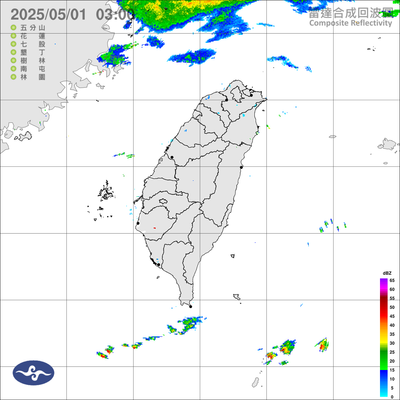
雷達回波圖

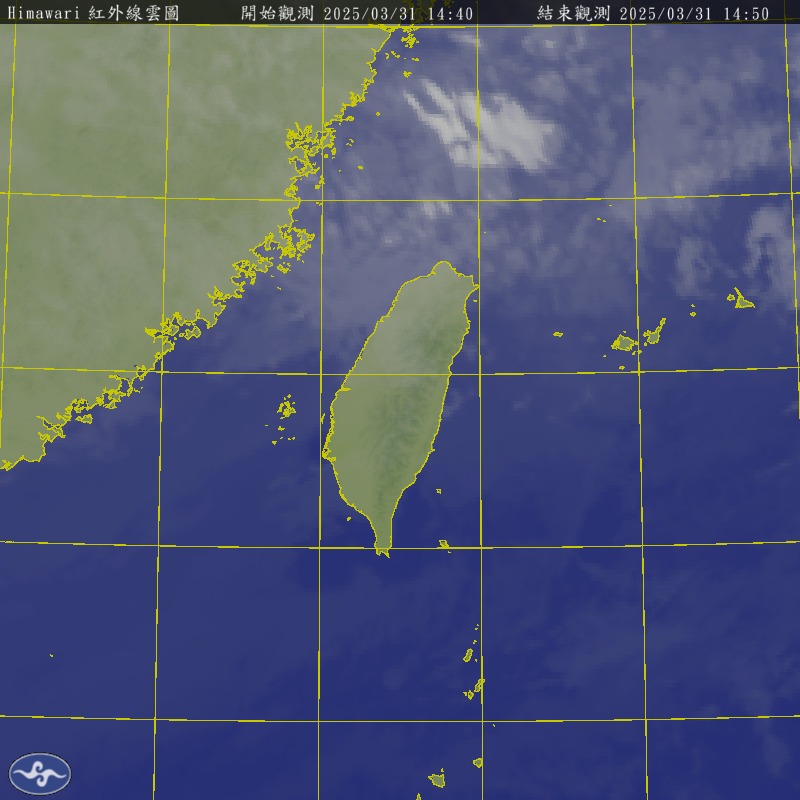
衛星雲圖

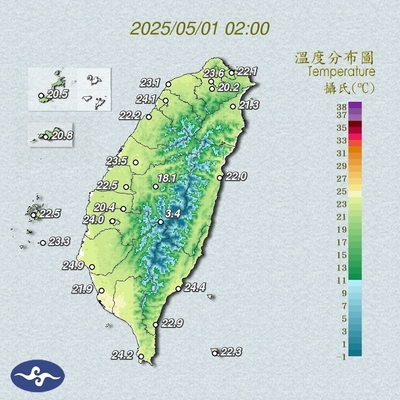
溫度分布圖